
More Than Aesthetic: How Design Drives Profit in Hospitality
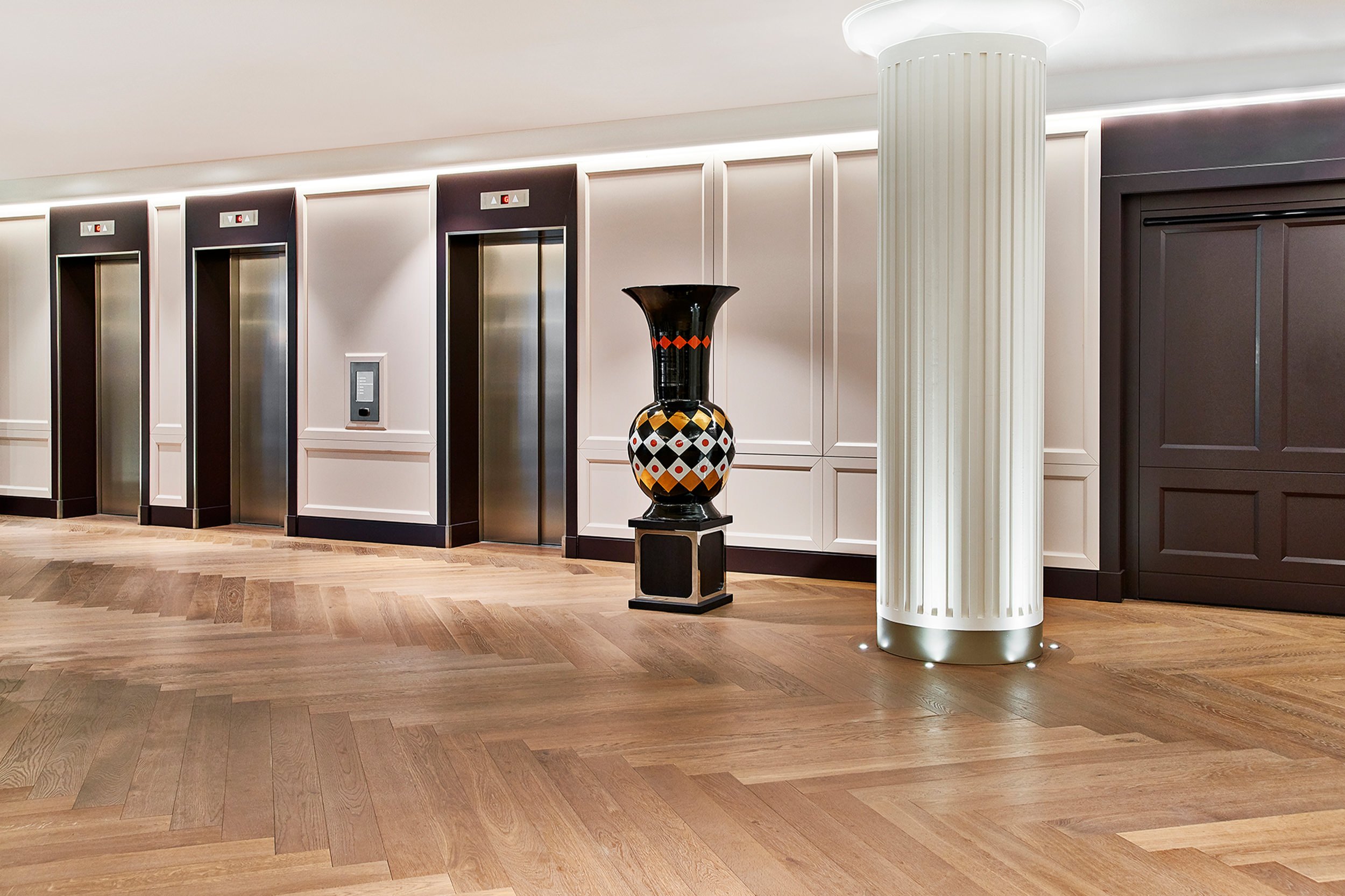
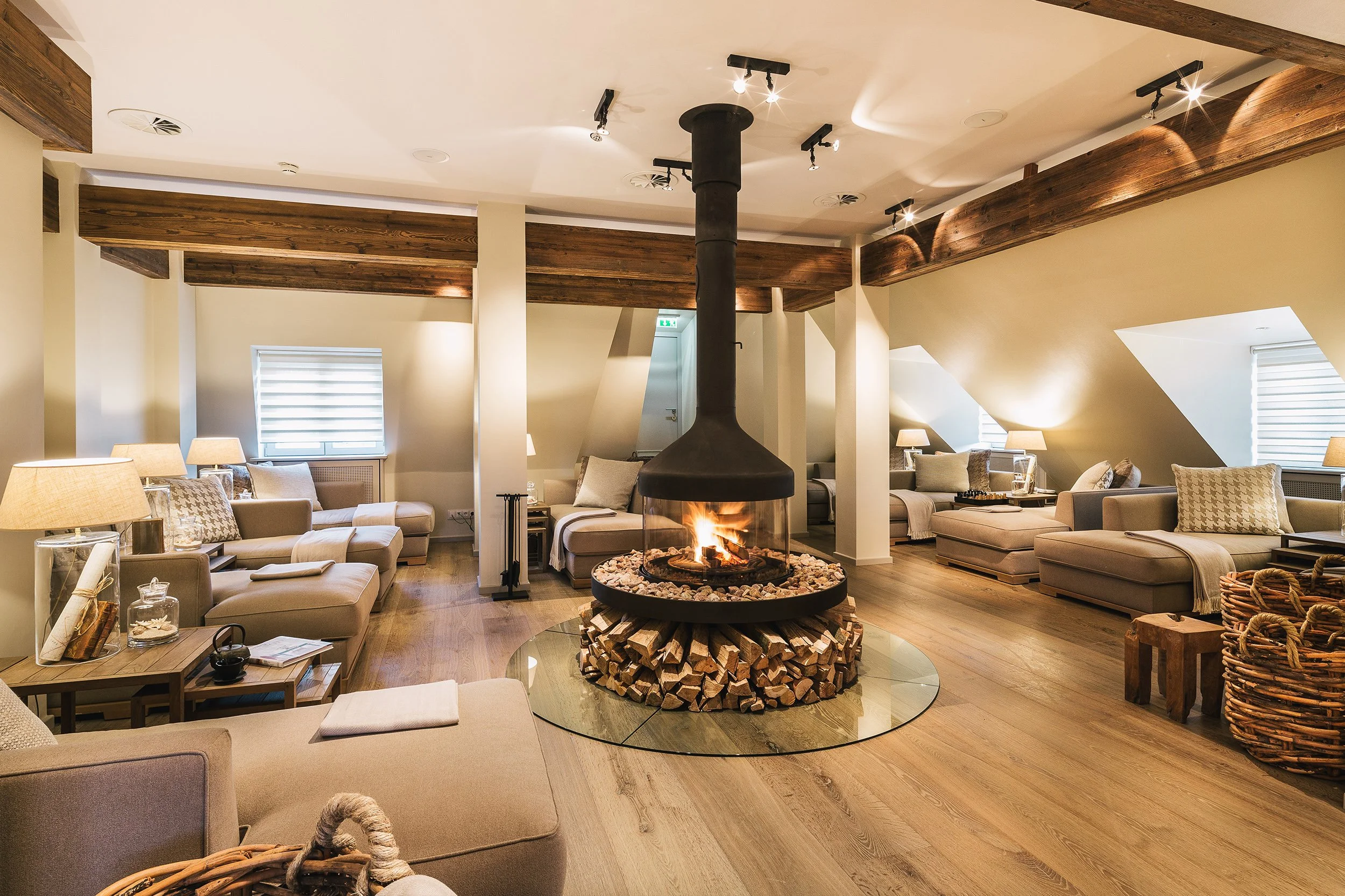
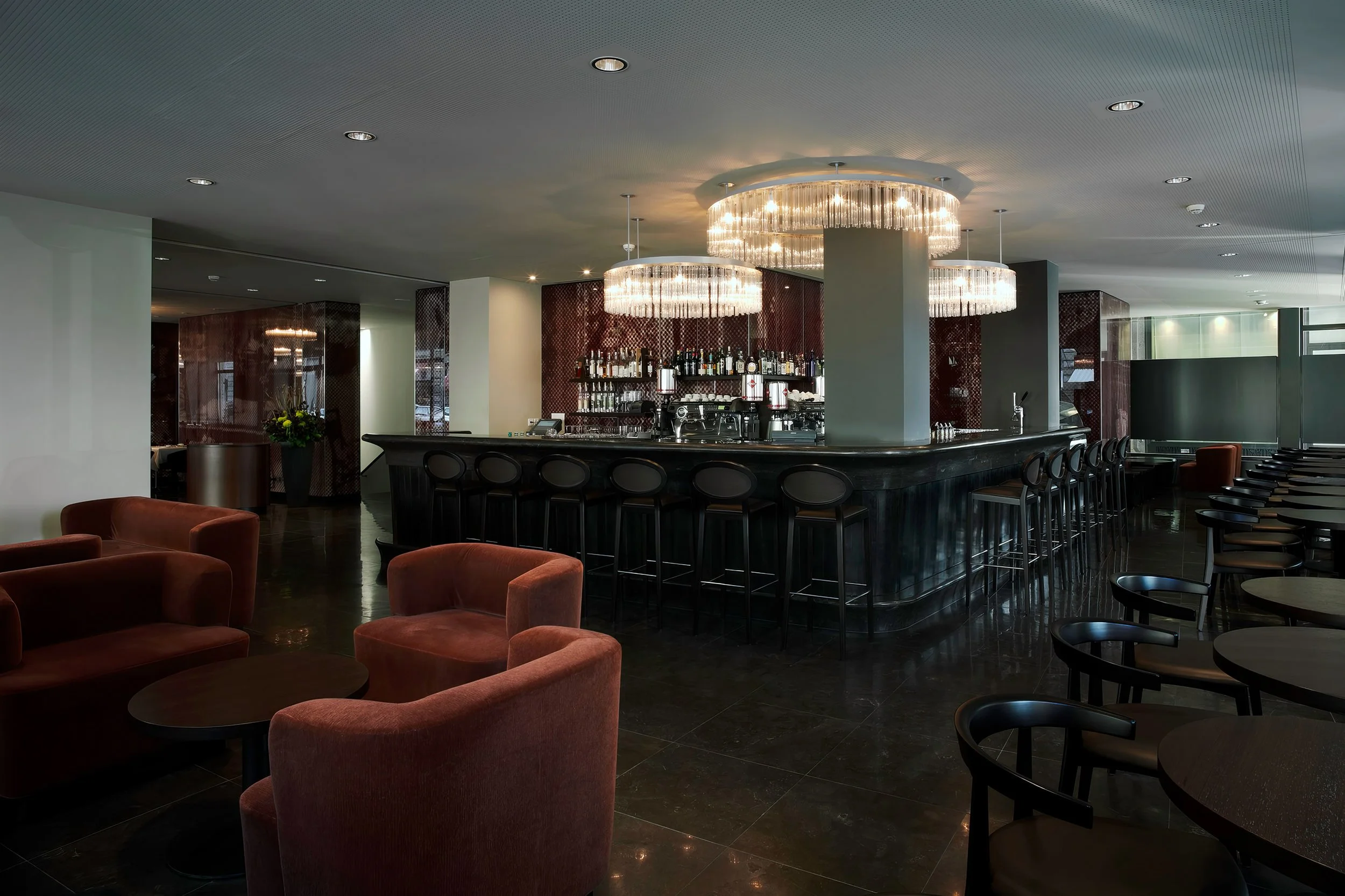
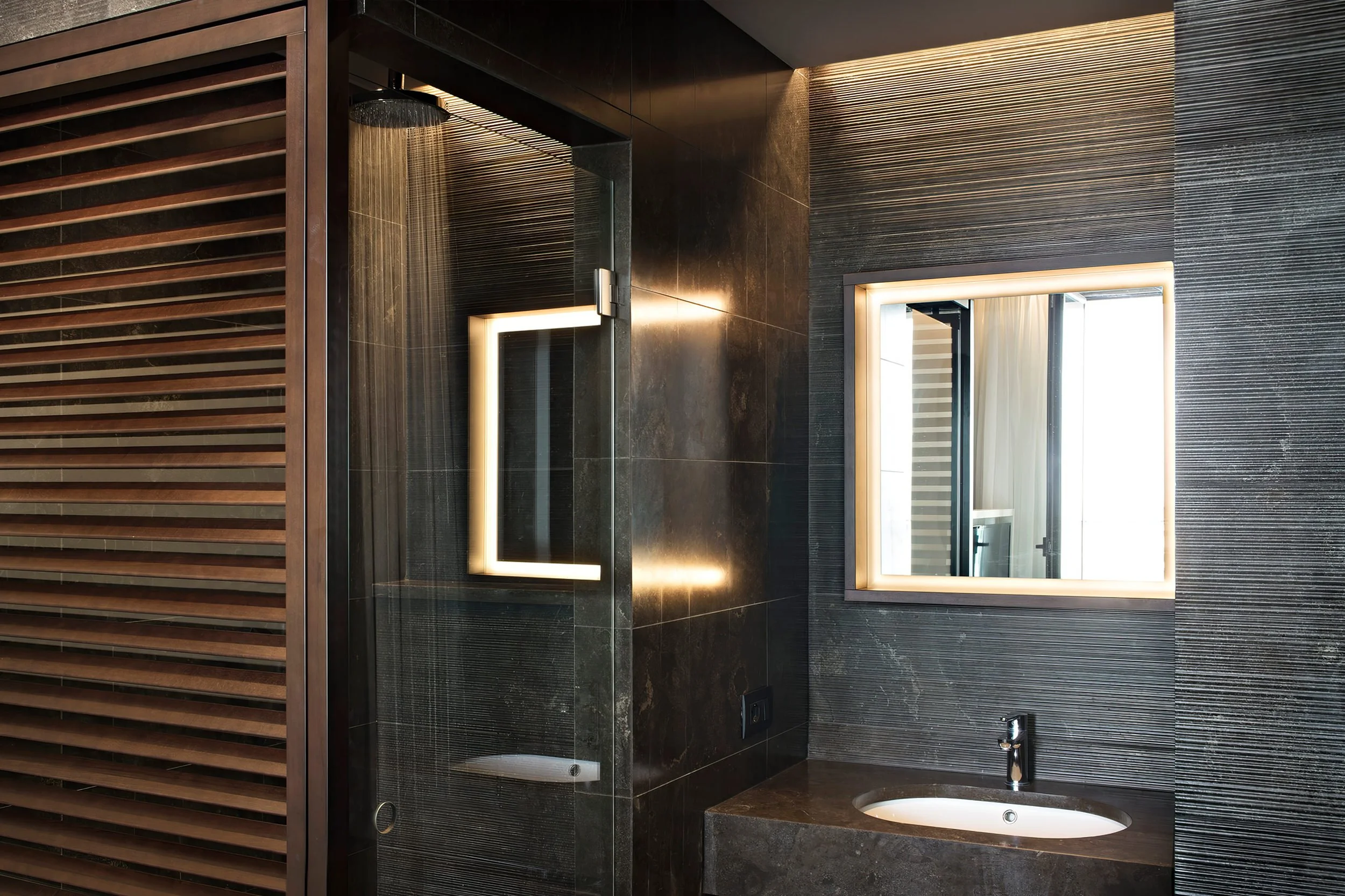
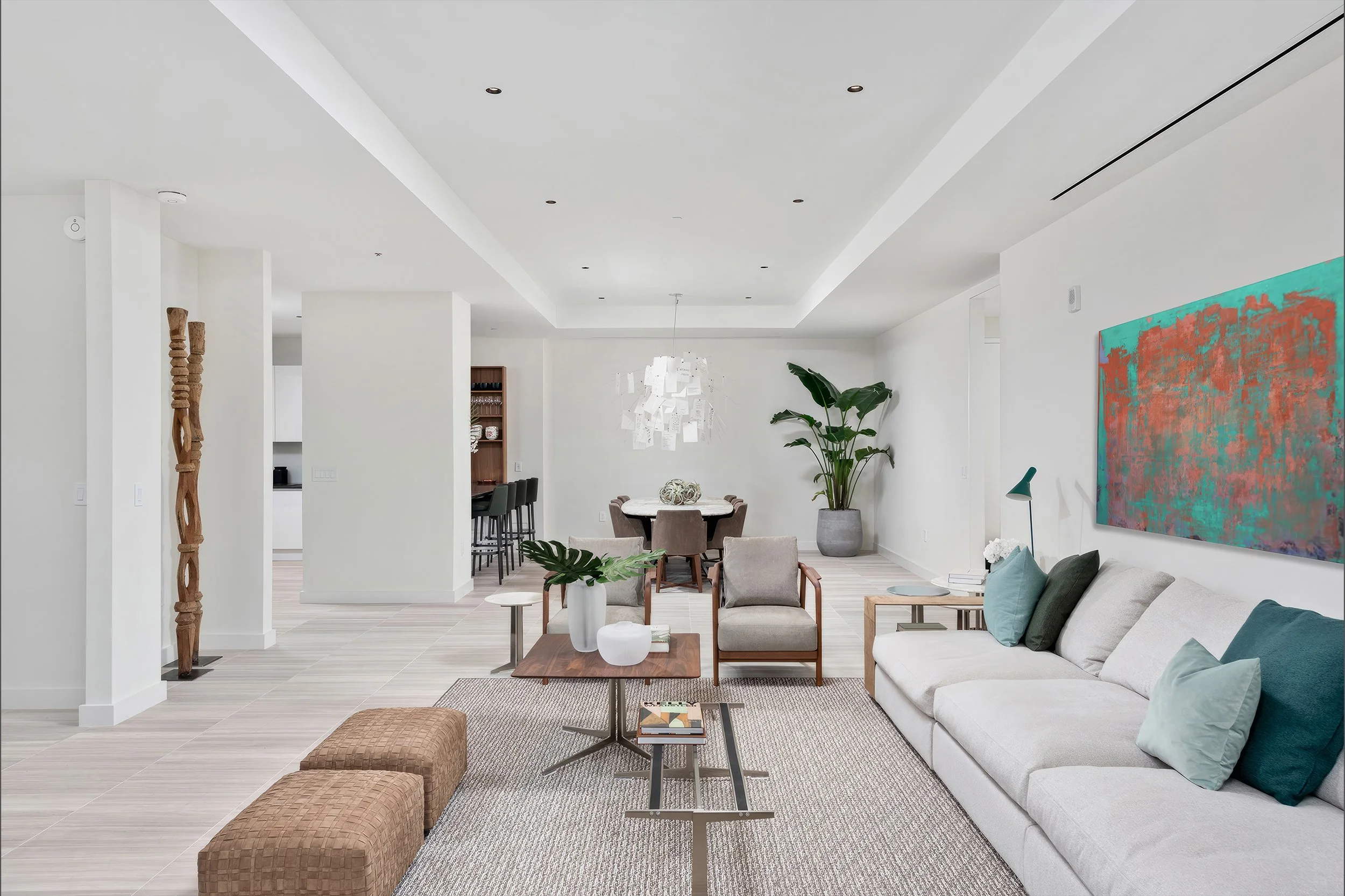
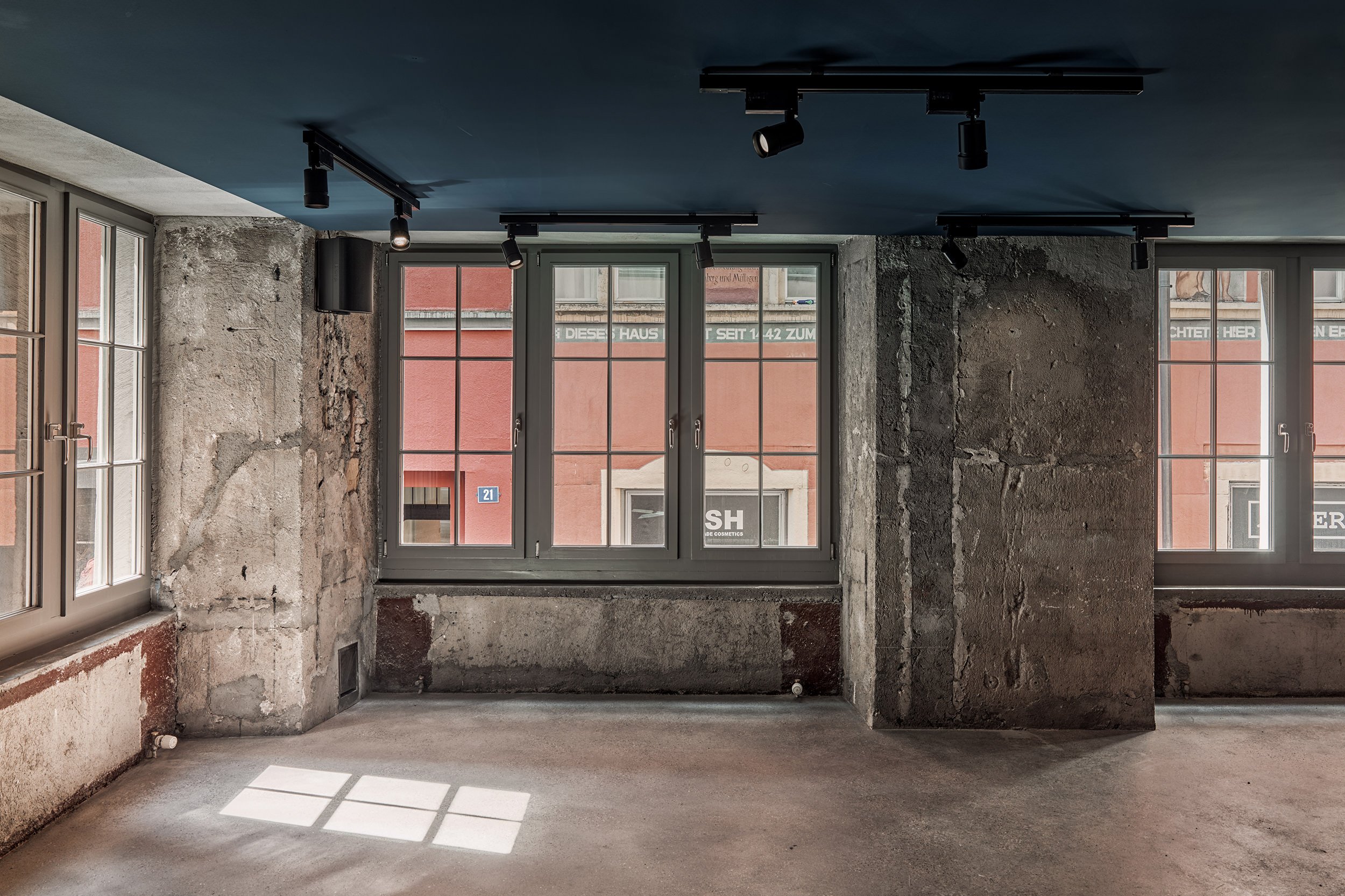
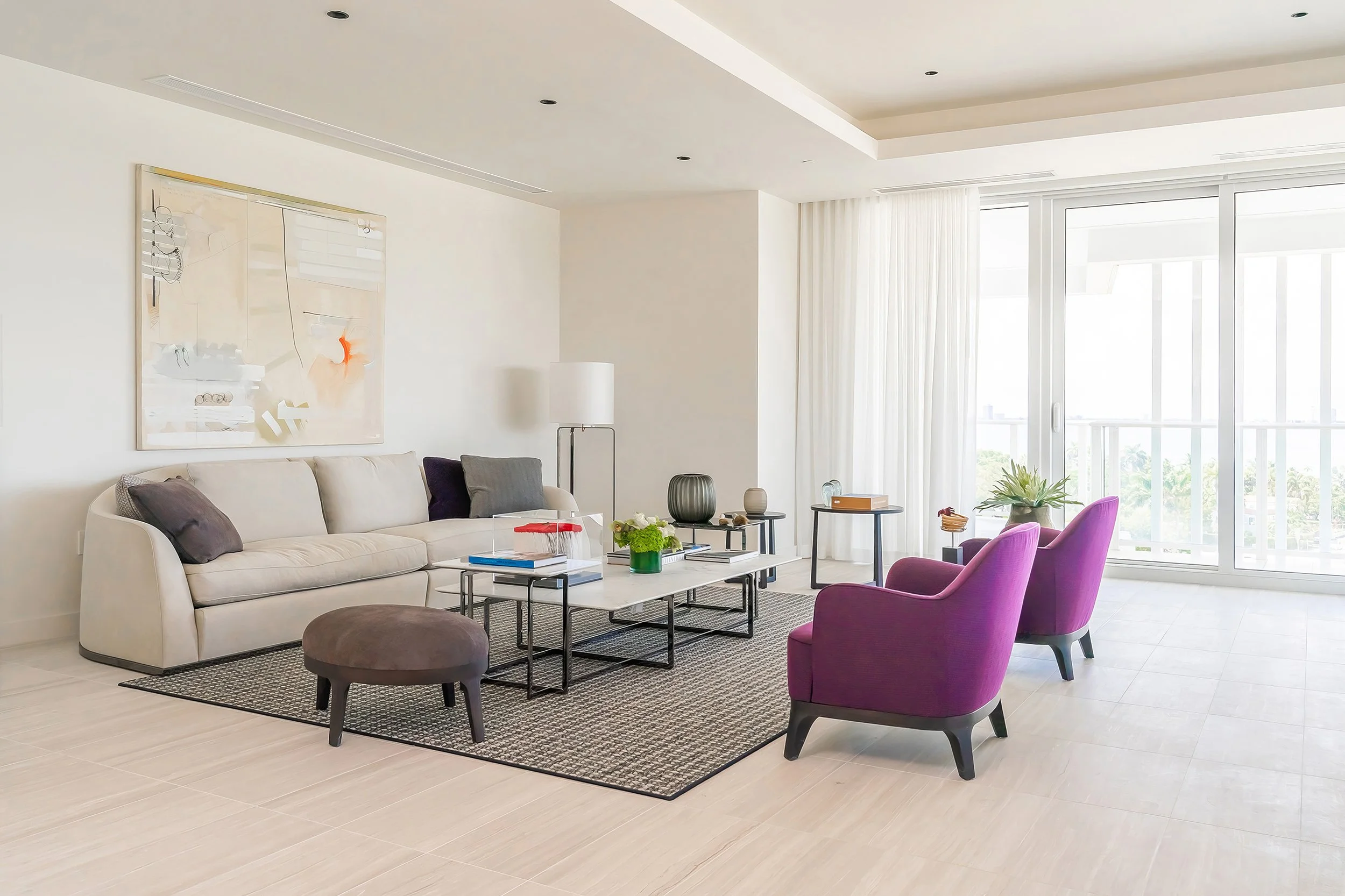
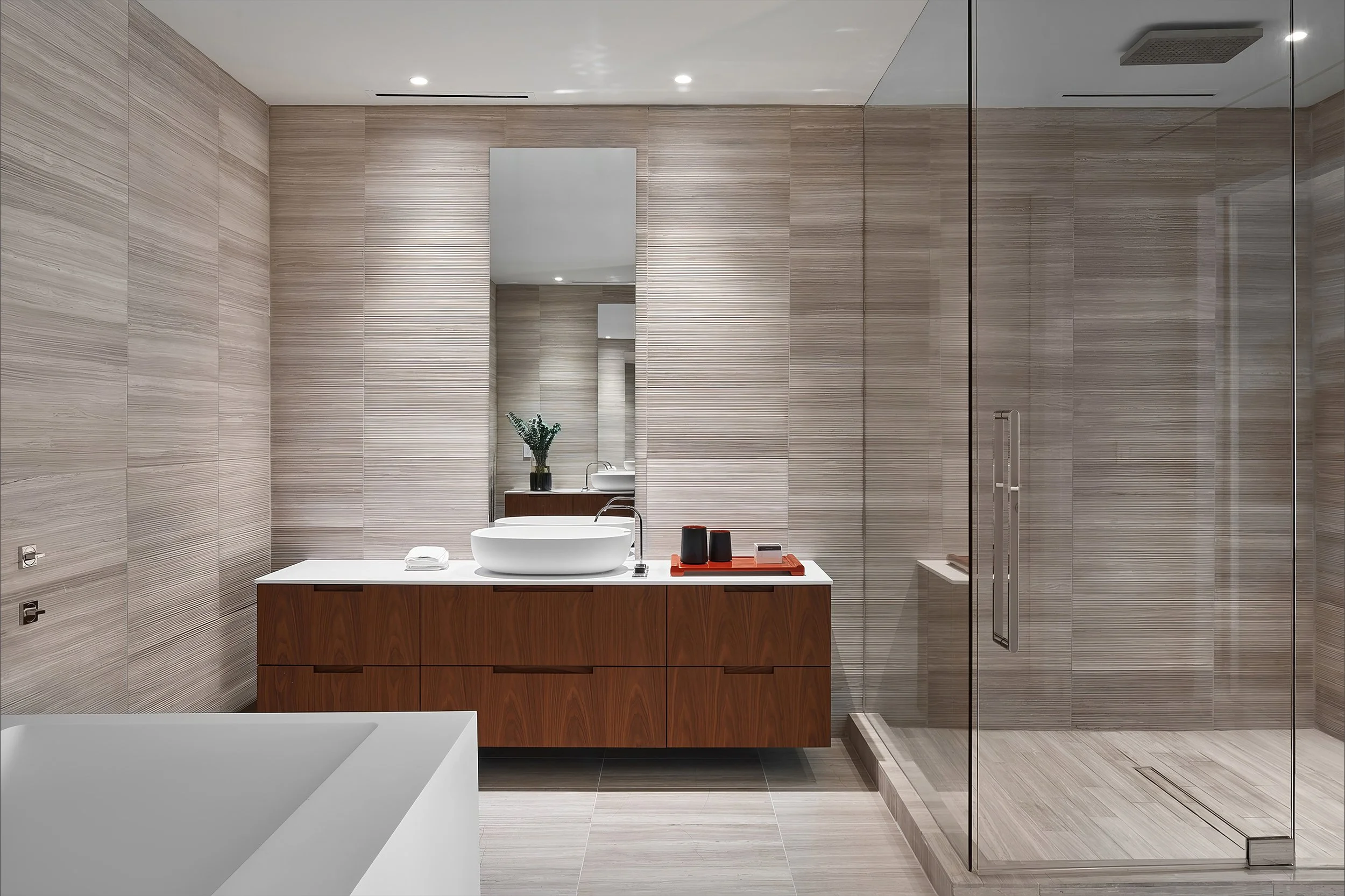
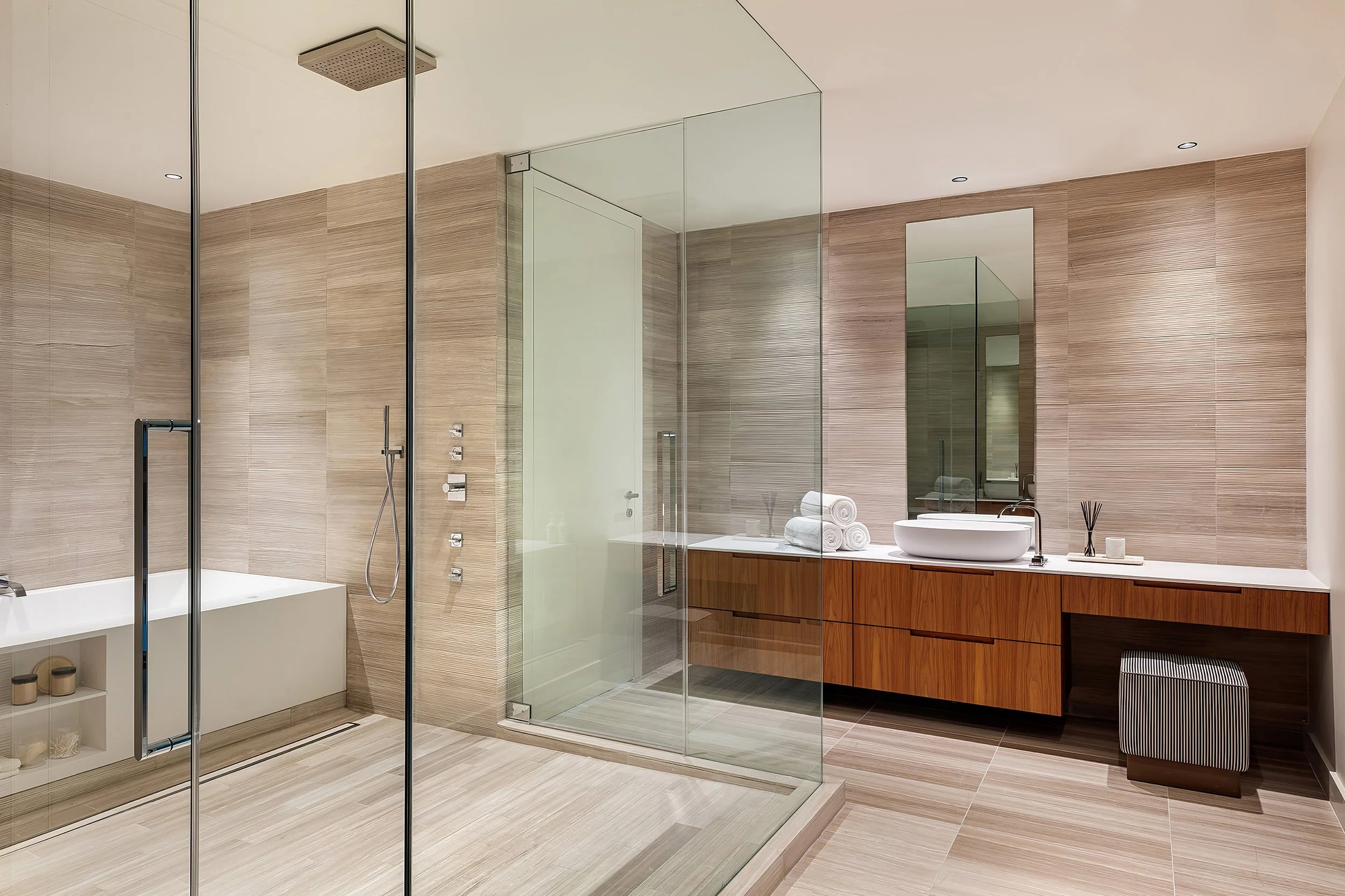
In the hospitality industry, design is not merely decoration—it's a business tool. The right choice of materials, lighting, and layout doesn't just shape a room; it shapes perception, mood, and behavior. From the grandeur of a hotel lobby that welcomes guests with elegance to the serenity of a spa whose lighting and textures soothe instantly, every design decision can be a lever for value creation.
Design impacts how a space is experienced—and, crucially, how much guests are willing to spend. In an era where guests seek more than a bed for the night, design has become a language of hospitality, a way to deliver emotional resonance, brand clarity, and measurable financial returns. When done right, investing in architecture and interior design isn’t just a creative endeavor—it’s a financial strategy.
Short-Term Financial Gains
Renovating or designing with purpose often brings immediate results. Hotels that revamp their interiors or upgrade surfaces with intentionality frequently report a tangible uptick in revenue. Studies in recent years have found that capital investments in renovation correlate directly with increased room rates and lower ongoing maintenance costs.
This makes sense—when spaces are optimized both functionally and aesthetically, they reduce operational friction while enhancing the guest experience. This directly boosts performance metrics such as ADR (average daily rate) and RevPAR (revenue per available room).
Beautiful spaces make lasting first impressions. A thoughtfully designed hotel or restaurant is more likely to draw guests in and encourage them to return. This isn’t a theory—it’s reflected in market behavior. Higher occupancy rates often follow upgrades to communal areas, room finishes, and wellness facilities. Design done well becomes a catalyst for satisfaction and spending.
Long-Term Value Creation
Design isn’t just about the now—it’s about what endures. In a world increasingly driven by experience, memorable environments build loyalty. High-quality design has the power to plant emotional memories. A textured wall, a warm hue, a perfectly balanced room—they all register subconsciously and invite return visits.
Over time, this emotional imprint transforms into brand loyalty. Guests not only come back, but they talk—sharing experiences with others, organically building reputation and desirability.
Luxury hospitality brands that consistently invest in their visual and spatial identity are the ones that stay relevant over decades. Design becomes their differentiator—one that commands premium pricing and deepens customer relationships. In a saturated market, a unique and immersive atmosphere is a serious competitive edge.
Atmosphere as Strategy
We’re living through a shift from product-based offerings to emotional, immersive experiences. In this experience economy, the story a space tells is just as important as what it offers.
Guests want to feel something. They want connection, culture, and authenticity. And architecture is how that emotion is structured. Through choices in color, acoustics, natural light, materiality, and layout, designers create atmospheres that resonate.
Textures invite touch. Natural materials feel grounding. Spatial rhythm provides comfort or surprise. Even subtle design decisions can change how long a guest lingers, how much they spend, and how positively they remember their stay.
And when design draws from local stories, materials, and cultural references, it’s no longer a matter of taste but rather a matter of substance. These are the kinds of experiences that not only attract discerning guests but turn them into ambassadors for the brand.
Strategic Investment, Not Decoration
None of this is to say that design should be pursued frivolously. Great design is a serious investment—of time, money, and vision. But when planned strategically, it delivers real return.
The upfront costs may be significant, but the long-term benefits—from reduced maintenance to higher guest satisfaction—more than compensate. The key lies in aligning the design approach with broader business goals and operational realities. And today, one of those realities is sustainability.
Sustainability is no longer a buzzword; it’s a requirement. Hospitality brands are expected to reduce environmental impact and increase transparency. Design plays a key role here too—through material selection, energy-efficient systems, and timeless aesthetic choices that reduce the need for constant renovation.
Our Perspective
At hochwert, we work closely with hospitality professionals, architects, and designers to select surfaces and fixtures that don’t just look great, but perform. We believe design should elevate experience, embody values, and support long-term vision.
Whether it’s a countertop that ages gracefully, a tile that withstands high traffic, or a water fixture that delivers wellness through precision and beauty, we curate materials that serve both the emotional and economic goals of a project.
Design isn’t a luxury. It’s a transition. And when done right, it’s one of the most powerful tools a hospitality business has to grow, inspire, and thrive.