
Why Community Matters in Architecture and Design
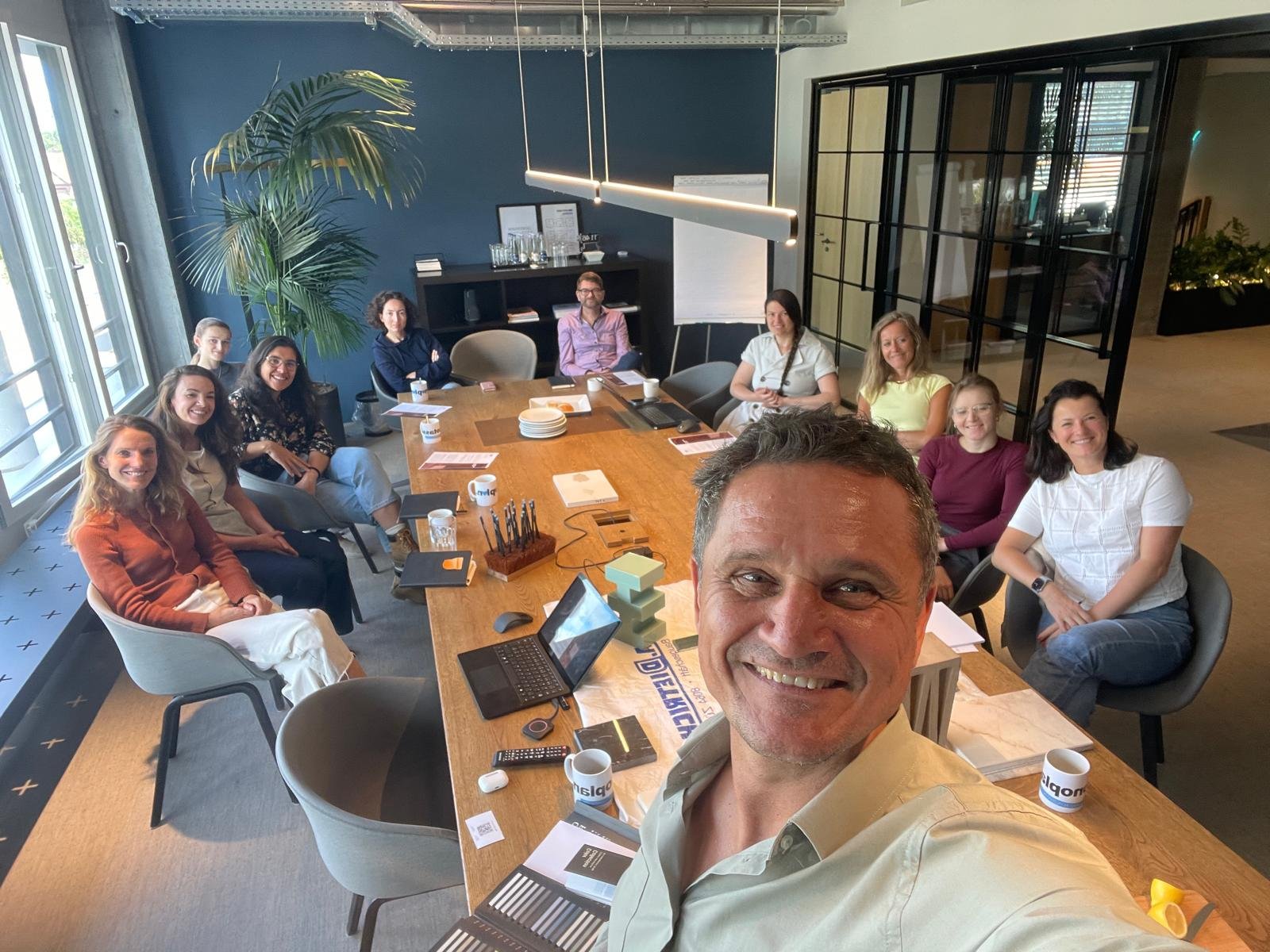
After years of digital acceleration, architecture and design are experiencing a quiet but profound return to physical exchange, material presence, and community. Efficiency, speed, and data-driven decision-making have dominated the past decade, but architects, designers, and clients increasingly recognize that materials are not data — they are experience.
At the same time, the value of community-based work is becoming clear. Designers and architects thrive in networks where knowledge, insight, and feedback circulate freely. Spaces like Hochwert act as curated hubs for dialogue, fostering intimate connections that support better design decisions.
The Post-Digital Moment
In 2007, the first iPhone appeared, ushering in an era of hyper-digitalisation. The internet and smartphones transformed how architects work, communicate, and research materials. While these tools brought unprecedented efficiency, they also removed the sensory and relational dimensions of design.
Today, there is a clear shift. Architects and clients want to:
Touch and feel materials
Compare surfaces side by side
Engage in face-to-face conversations
Exchange ideas within trusted networks
Materials like wood, terrazzo, marble, and porcelain cannot be fully understood on a screen. Their textures, weight, and subtle variations only reveal themselves through direct tactile interaction, ideally shared within a community of peers, designers, and producers.
Community as Design Infrastructure
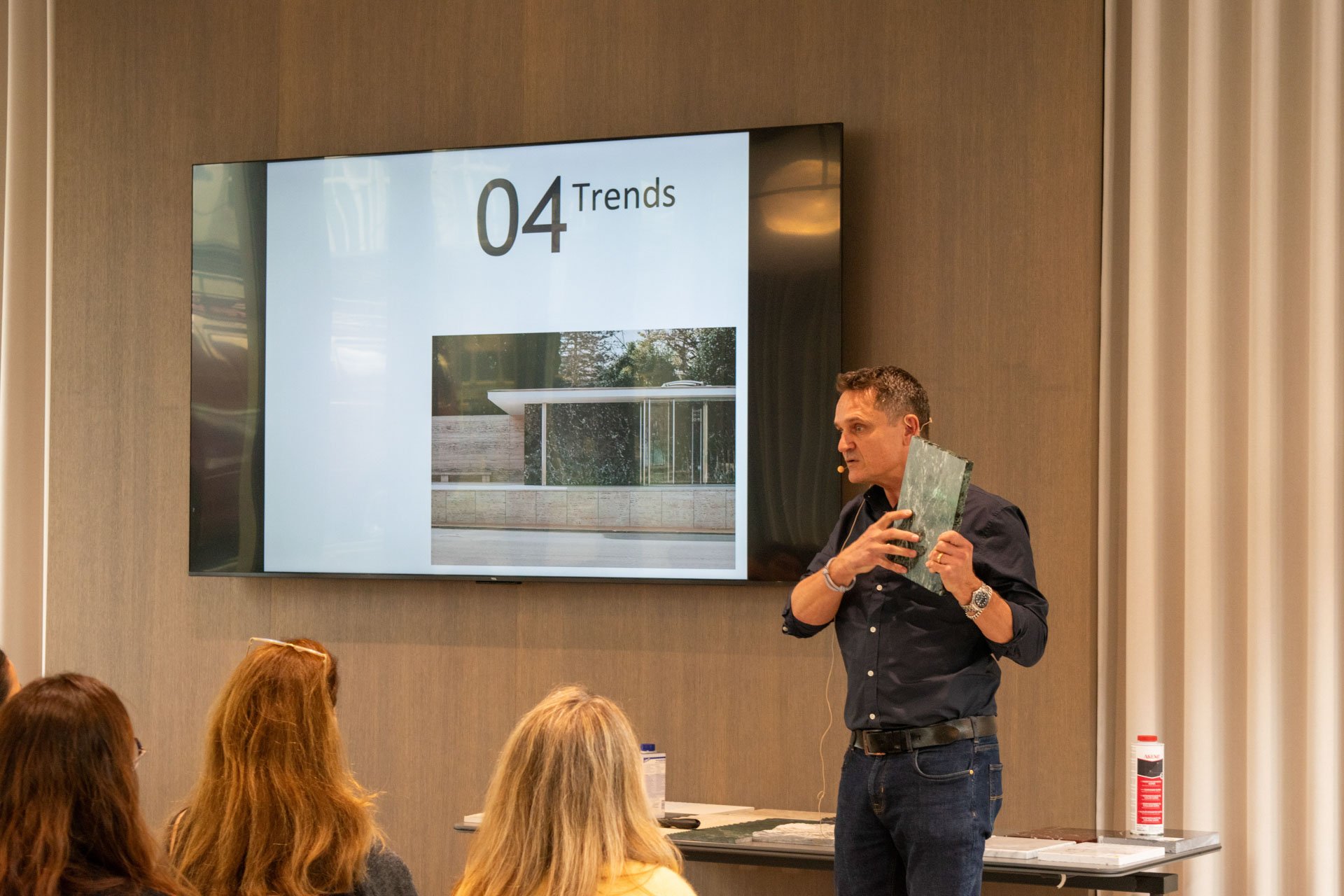
Physical material libraries and curated spaces are more than just showrooms—they are networked platforms for collaboration. Hochwert, for example, is designed as a library, not a catalogue, where members of the design community can meet, explore materials, and engage in meaningful dialogue.
The intimacy of these connections matters. One-to-one conversations, quiet exchanges over samples, and shared experiences with designers and producers like Davide Groppi or TDW-WOOD create a level of insight that digital tools cannot replicate. It’s within these networks that architects gain practical wisdom, nuanced understanding, and inspiration for their projects.
Through these community-driven interactions, Hochwert fosters trust and knowledge sharing. Designers know that their questions, experiments, and preferences are received in a supportive, informed environment, allowing them to make better, more confident decisions. Community is not just networking—it is shared experience, mentorship, and hands-on learning.
Reclaiming the Sensory and Relational Experience
The digital age gave architects data and efficiency, but it also detached them from the tactile and relational dimensions of design. Today, the act of touching materials, holding samples, and seeing them in real light and space is irreplaceable.
Community-based exchange enhances this experience further:
Shared tactile exploration of wood, terrazzo, marble, and porcelain
Hands-on comparison of surfaces with peers and mentors
Insightful conversations with producers, adding context and history to each material
These interactions are as essential to design as the materials themselves, reinforcing that architecture and interiors are not only technical but deeply human. Through a community, knowledge is amplified, mistakes are reduced, and design outcomes are more refined and intentional.
Conclusion
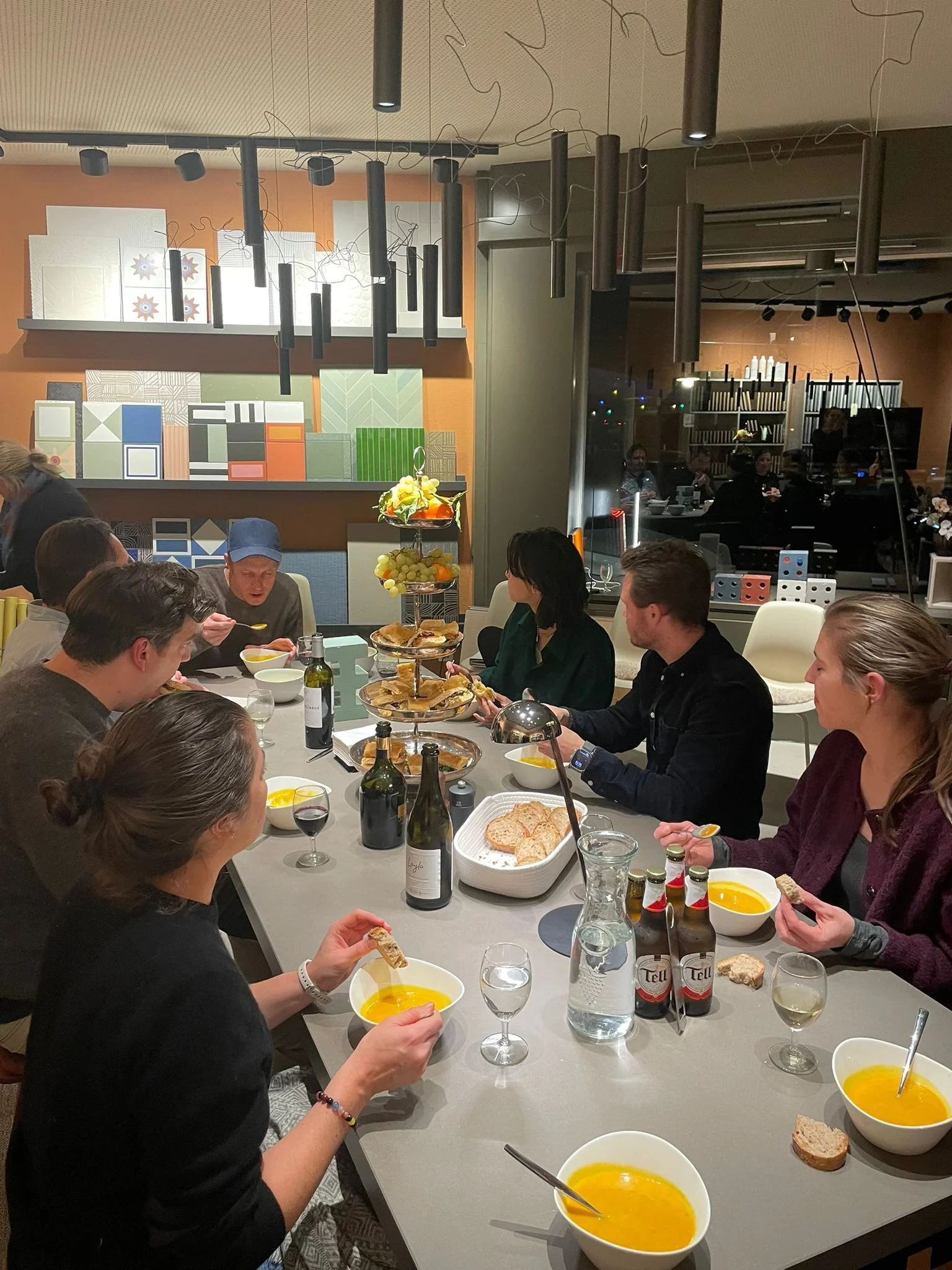
In a post-digital world, community and tactile experience are no longer optional—they are essential. Spaces like Hochwert demonstrate that design thrives when architects, designers, and clients come together, touch materials, exchange knowledge, and build trust within a curated community.
Materials are no longer chosen with a mouse — they are chosen with the body, guided by experience, dialogue, human connection, and the shared wisdom of a community. In the evolving landscape of architecture and design, community is infrastructure, and the human touch is irreplaceable.