
Mutina Ceramic Design in Zürich: How Culture and Craft Shape Timeless Interiors
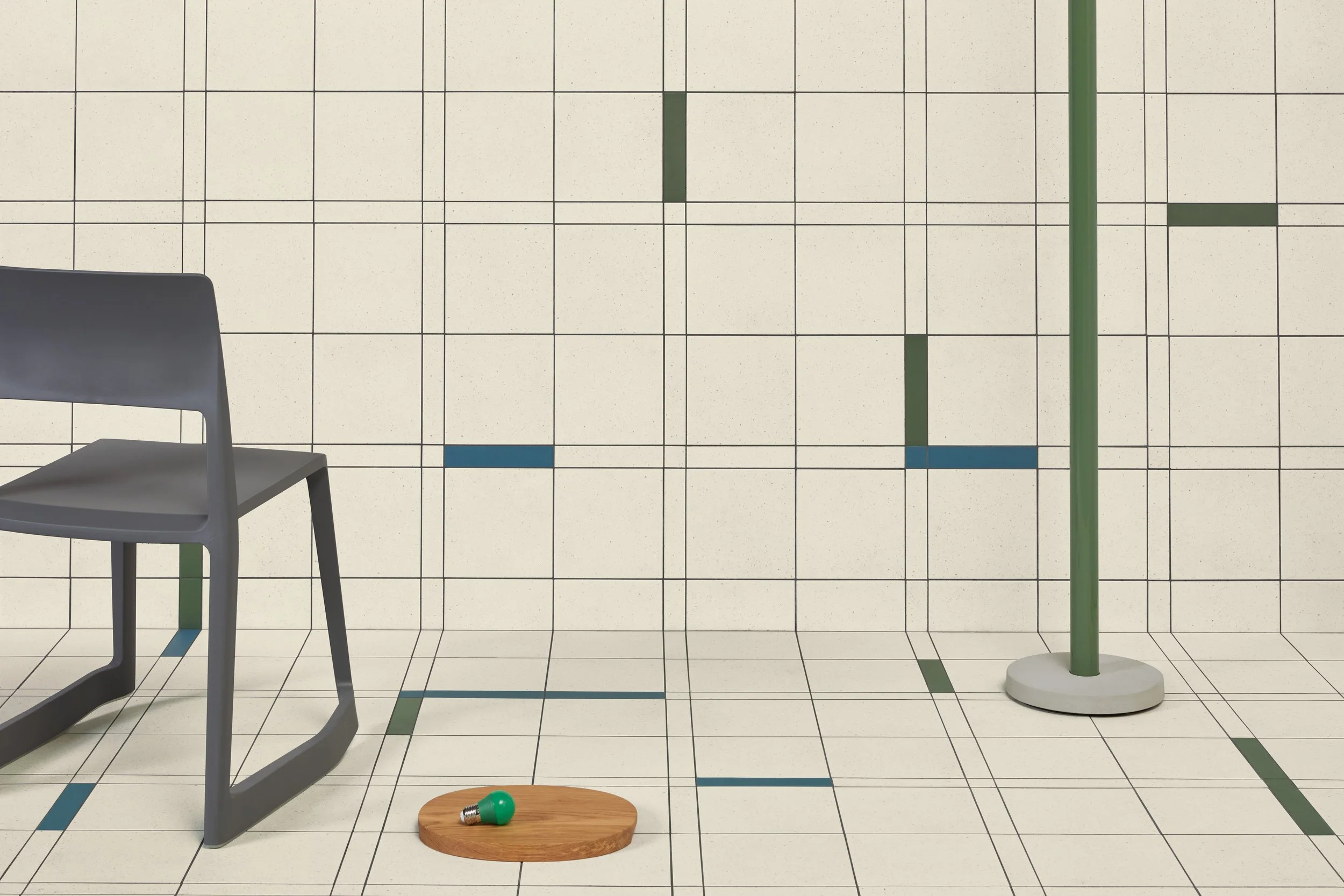
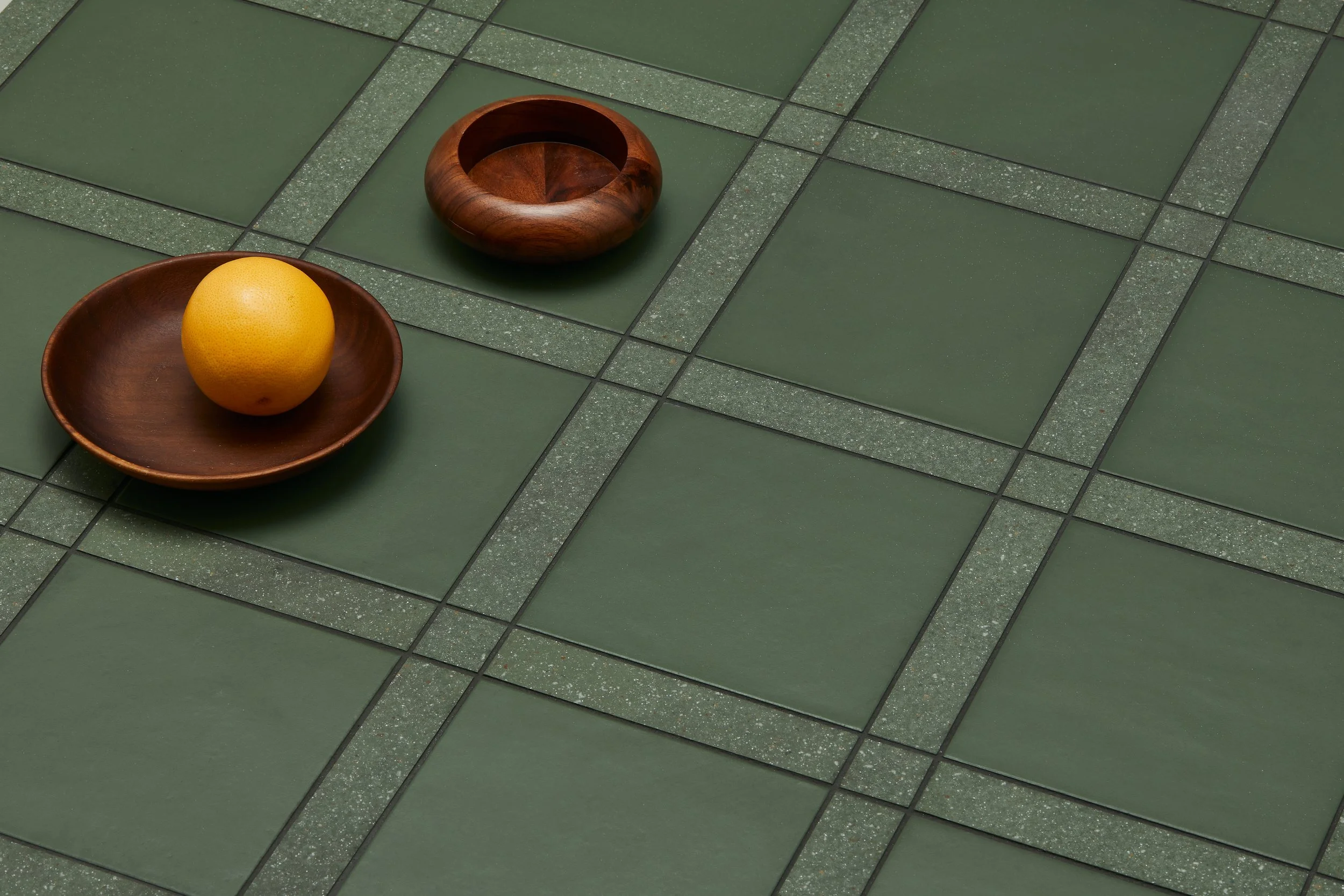
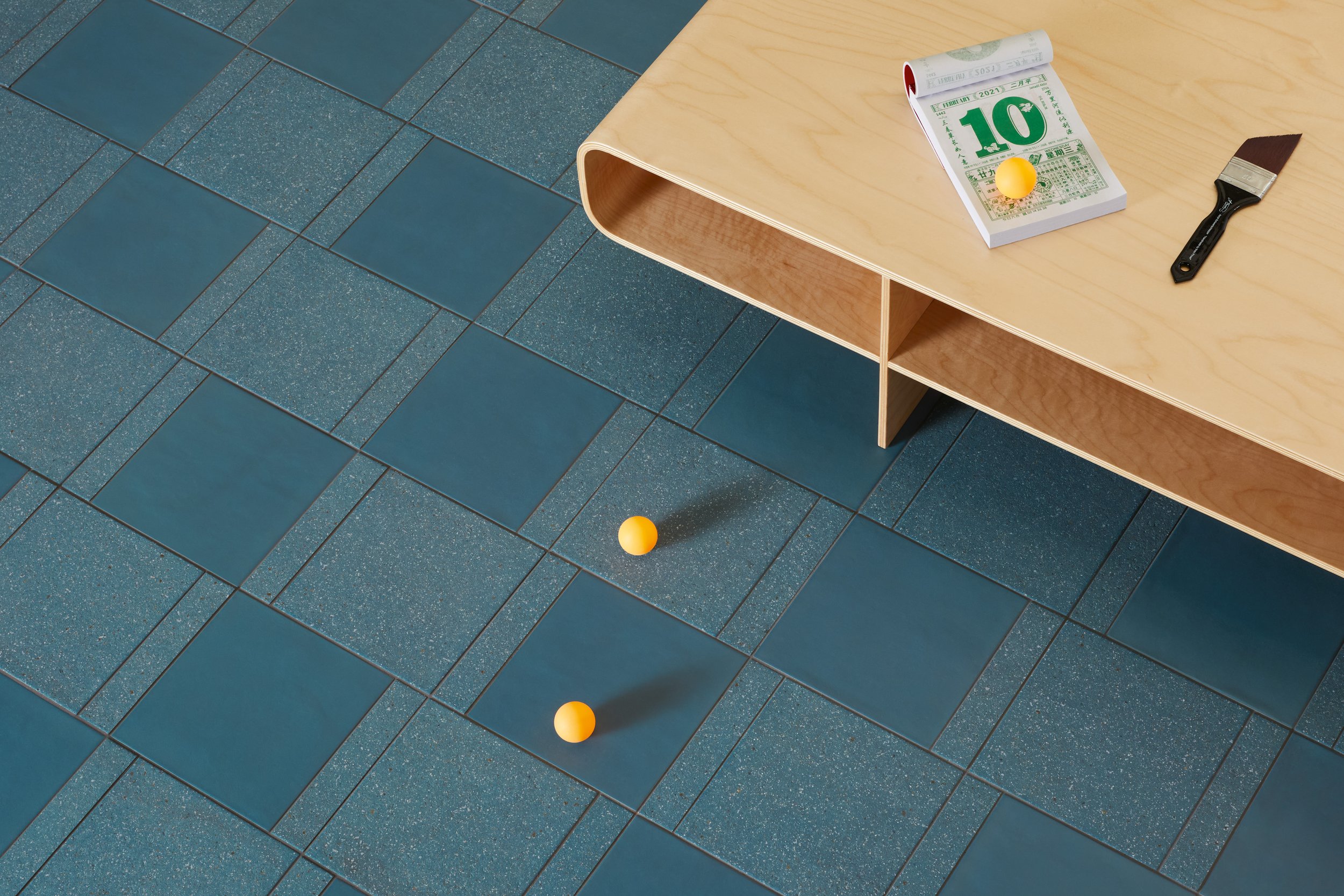
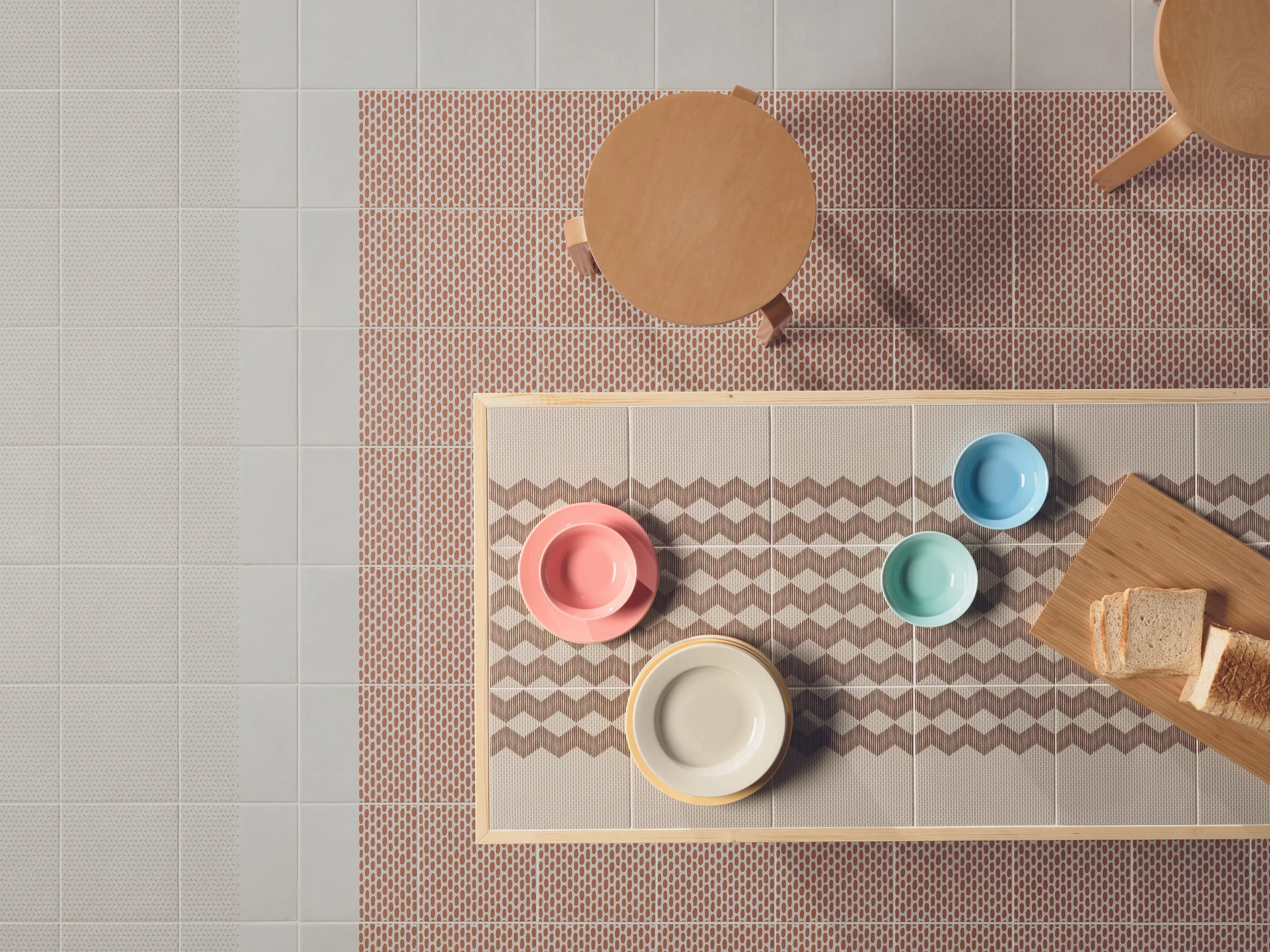

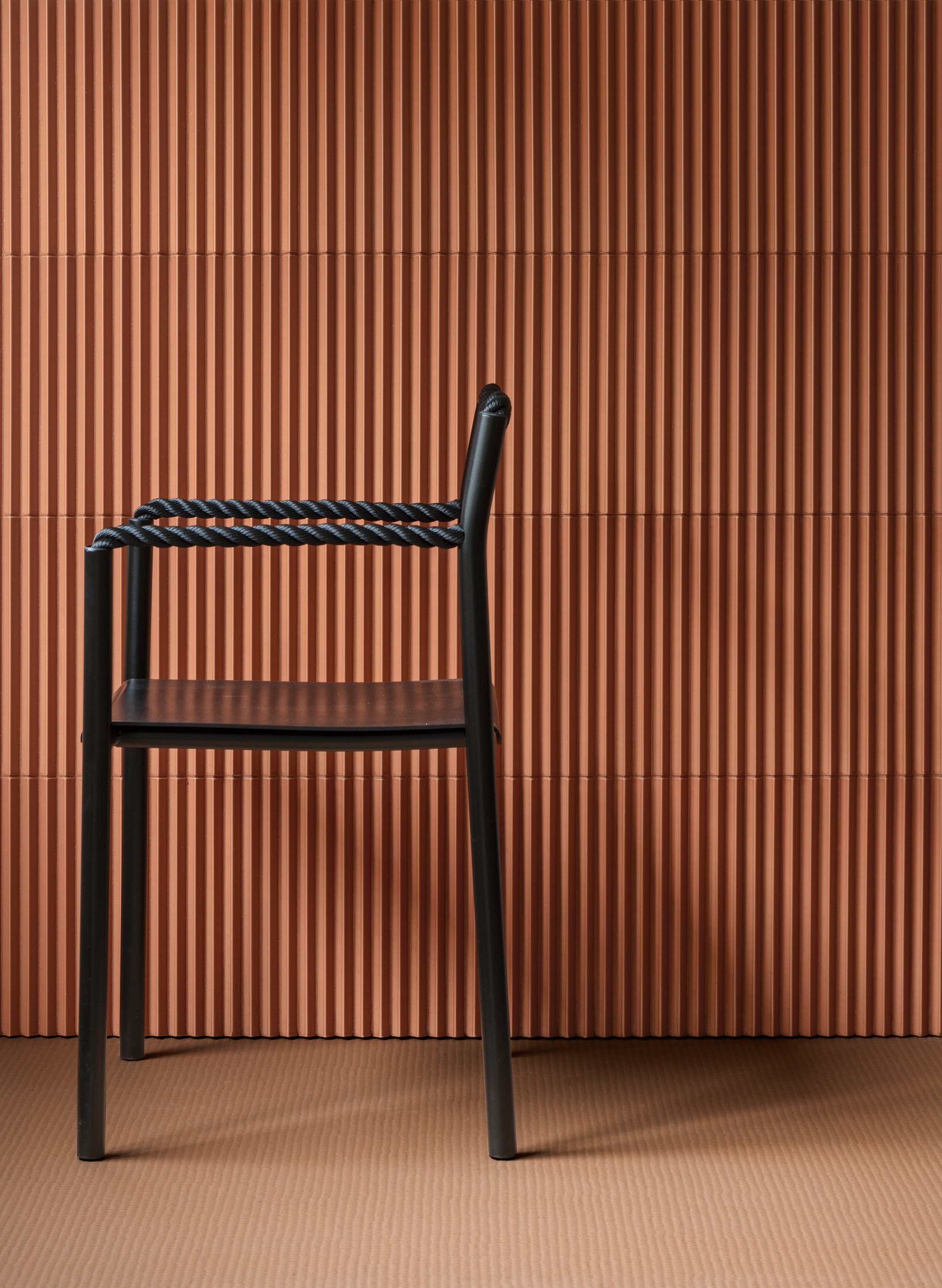
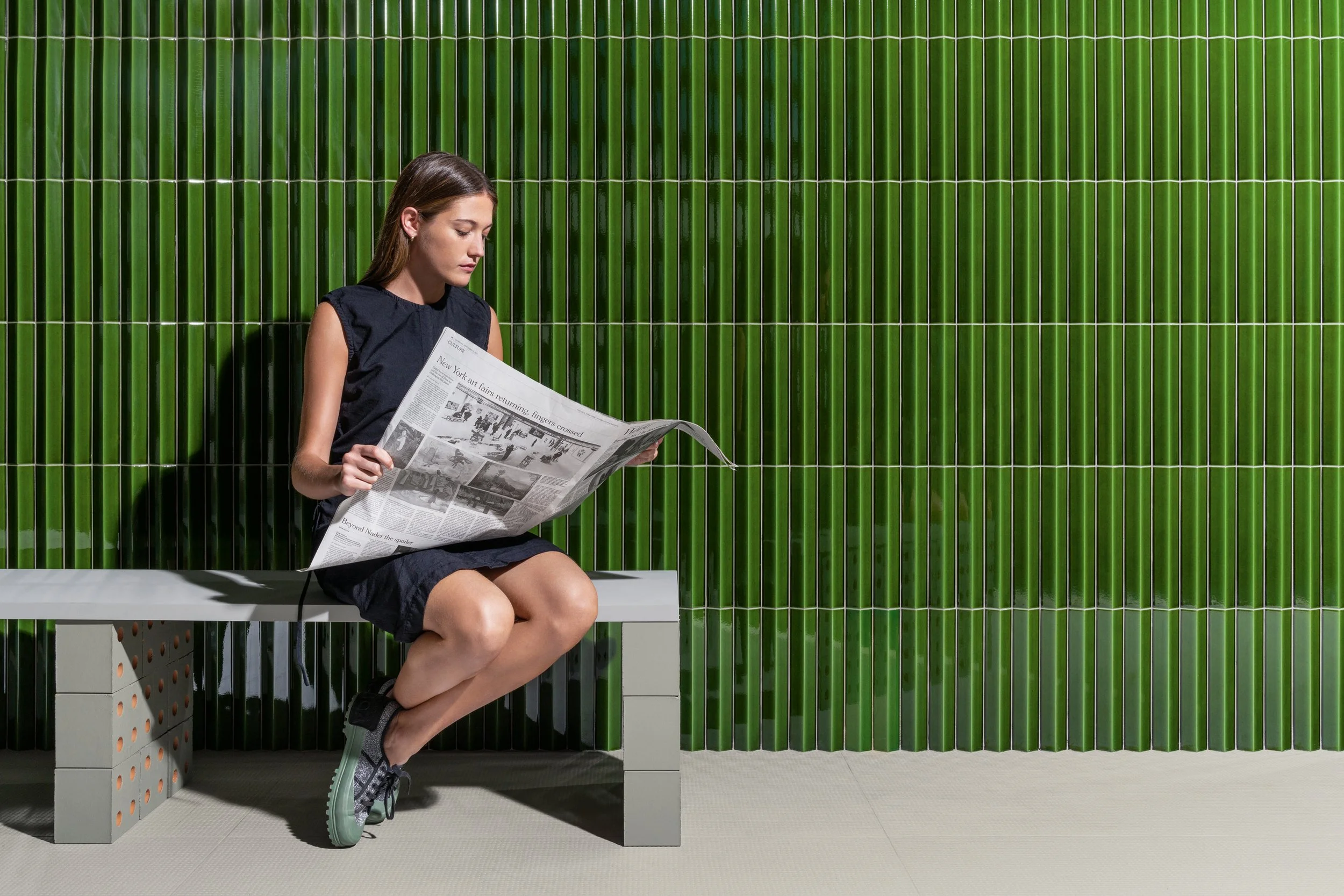
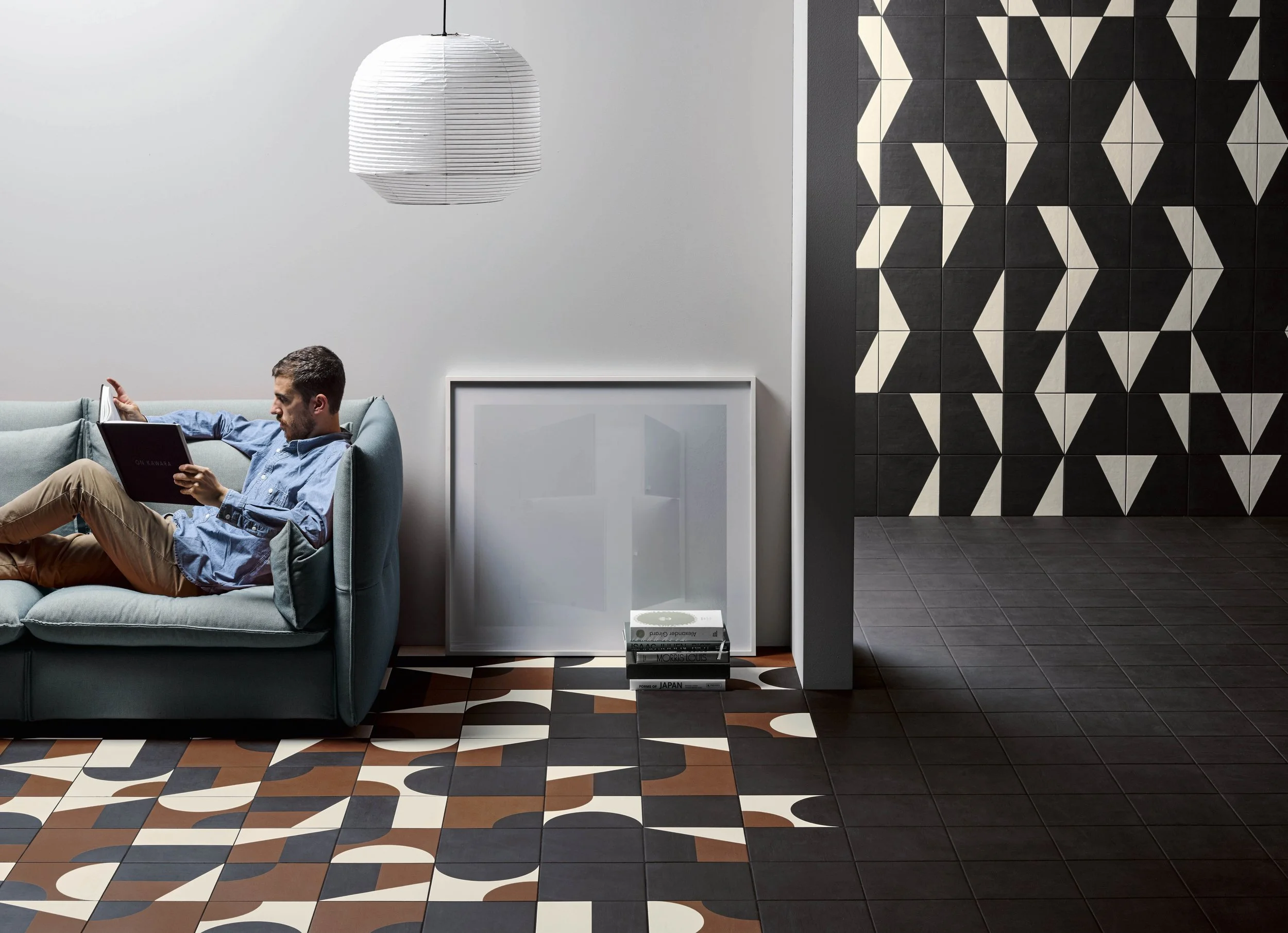
The way we think about interior surfaces is evolving. Ceramic tiles are no longer just functional elements — they are design statements that carry culture, craftsmanship, and aesthetic intent. Bathrooms, kitchens, and living rooms are no longer defined only by practicality; instead, every surface is an opportunity to create a space that feels curated, intentional, and timeless.
Much like the furniture industry, where chairs, tables, and lighting have long been treated as design objects, the surfaces industry is rediscovering its creative potential. For years, many materials were reduced to functionality — clean lines, durability, and ease of maintenance dominated decisions. Today, high-end ceramics are leading a renaissance, where surfaces are considered true elements of design, capable of transforming a home’s identity.
Surfaces as Design, Not Just Function
Ceramics, particularly in Zürich through brands like Mutina, are at the forefront of this movement. What sets them apart is a philosophy that mirrors high-end furniture design: each collection is the result of deep craftsmanship and artistic collaboration. Just as a designer chair combines form, function, and narrative, ceramic surfaces are now treated as integral design pieces.
Natural stone is following a similar path with companies like Salvatori, where technical mastery meets aesthetic ambition. These companies understand that surfaces have the power to shape spaces, influence atmosphere, and carry cultural resonance, far beyond mere functionality. In doing so, they return beauty, intentionality, and craft to an industry that had become too focused on utility.
100% Commitment to Designers
One of the most remarkable aspects of Mutina’s approach is their unwavering focus on architects and designers they believe in. Rather than diluting attention across mass-market products, the company dedicates itself entirely to collaborations with world-renowned design talents. Designers such as Patricia Urquiola, Vincent Van Duysen, and Michael Anastassiades create collections that are technically excellent, visually stunning, and culturally meaningful.
This approach has shifted the paradigm: the surfaces industry is no longer producing generic finishes or decorative accents. Instead, it is crafting designer materials that dress an entire home, giving every room its own identity and sense of luxury. Bathrooms can be elevated with sculptural ceramic walls, living rooms can feature textured tile accents, and kitchens can be dressed in porcelain surfaces that feel bespoke and intentional — just as if the space were furnished with designer chairs or tables.
Combining Craft, Culture, and Collaboration
Mutina’s success lies in combining technical precision with cultural awareness and creative ambition. Every tile is meticulously engineered for texture, color, and durability, while also embodying artistic expression. The collaboration with designers ensures that products are not only functional but carry narrative and style, integrating seamlessly with other premium materials such as natural stone, wood, and metal.
This philosophy brings global design expertise into Zürich interiors, giving local architects and homeowners access to surfaces that transform rooms into immersive experiences. A bathroom can feel sculptural and tactile, a living room can express both modernity and warmth, and a kitchen can balance durability with high aesthetic appeal.
Redefining Interior Identity
High-end ceramics are no longer just finishes; they are identity-defining elements of a home. This narrative is exemplified by the high-risk, high-reward collaborations that Mutina pursues. Instead of following trends or catering to mass markets, they invest fully in products that elevate the entire architectural and interior experience.
Similarly, natural stone companies like Salvatori have embraced this mindset, proving that surfaces, whether ceramic or stone, can become integral parts of interior storytelling. By pairing ceramics with stone, wood, and other premium materials, designers can create spaces in Zürich that feel coherent, luxurious, and culturally informed.
Conclusion
In Zürich interiors, surfaces are evolving from functional materials to true design statements. Ceramic tiles, led by Mutina, and natural stone, exemplified by Salvatori, reclaim intentionality, beauty, and craft. By collaborating 100% with visionary designers and focusing on high-quality, innovative products, these materials transform every room — bathrooms, kitchens, and living rooms alike — into spaces with identity, elegance, and timeless appeal.
Surfaces are no longer just surfaces. They are designer objects that dress a home, much like iconic furniture, and they set the tone for how interiors are experienced, appreciated, and remembered.