
Light Meets Surface: Mutina & Davide Groppi at Hochwert
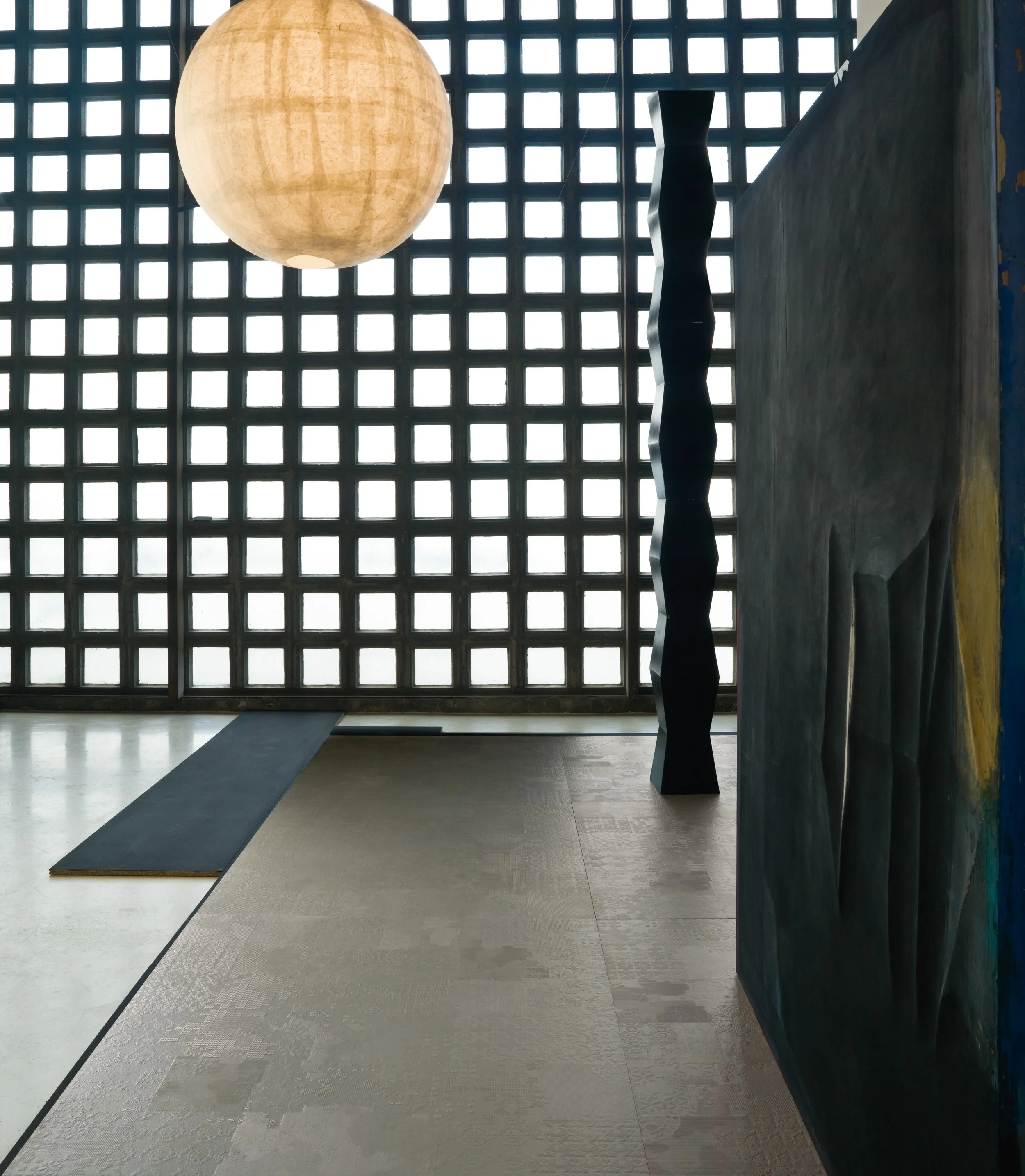
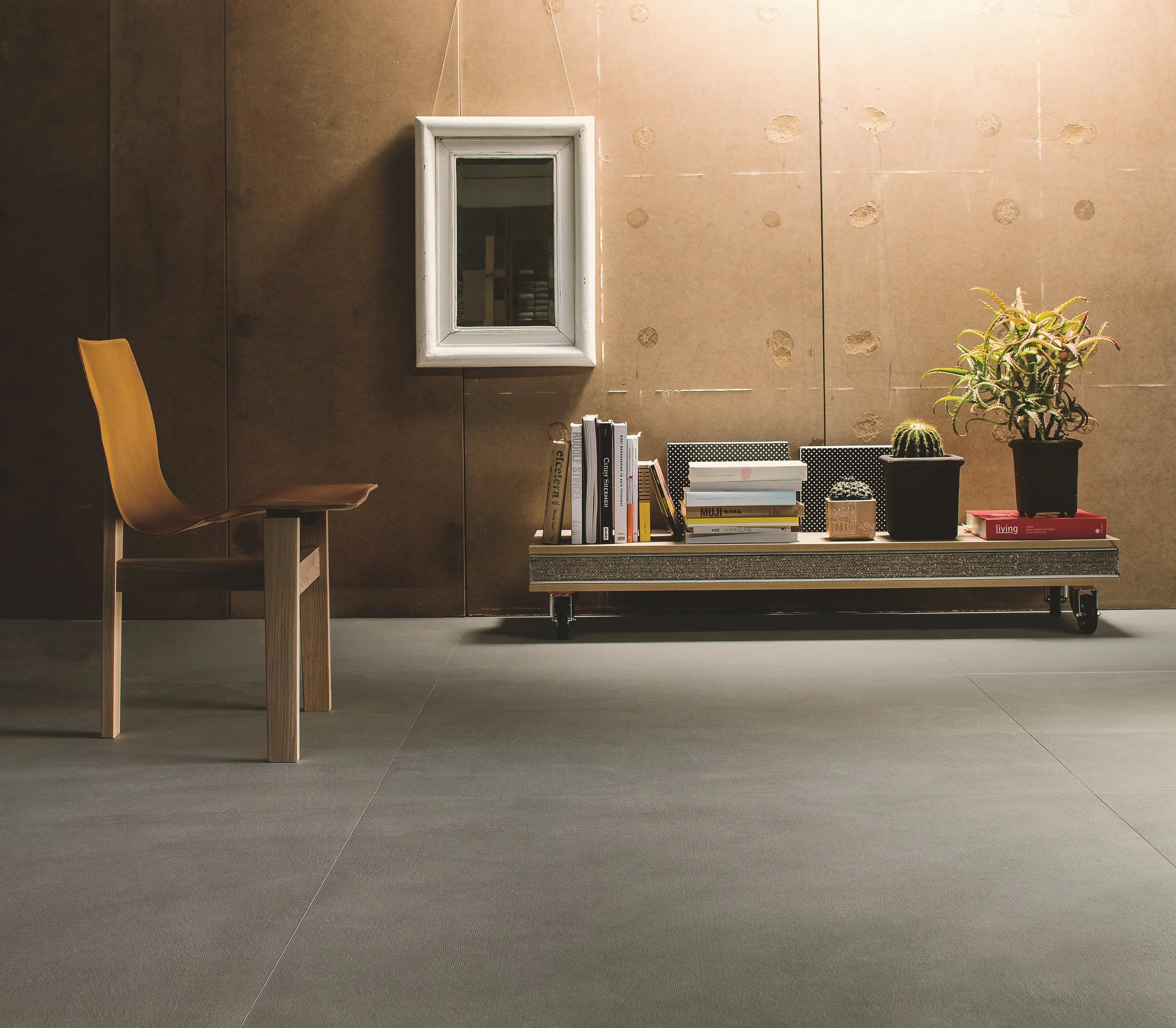
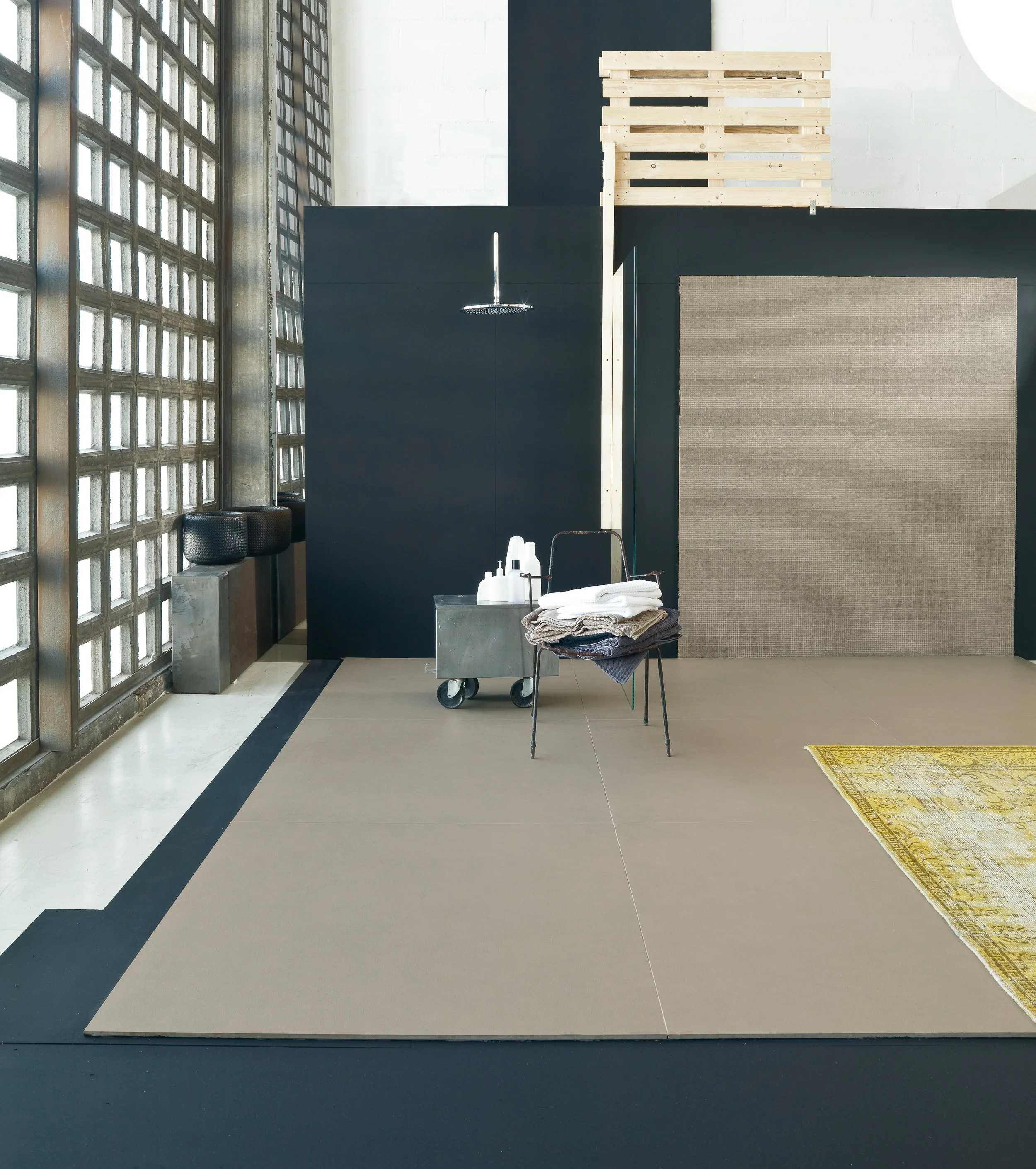
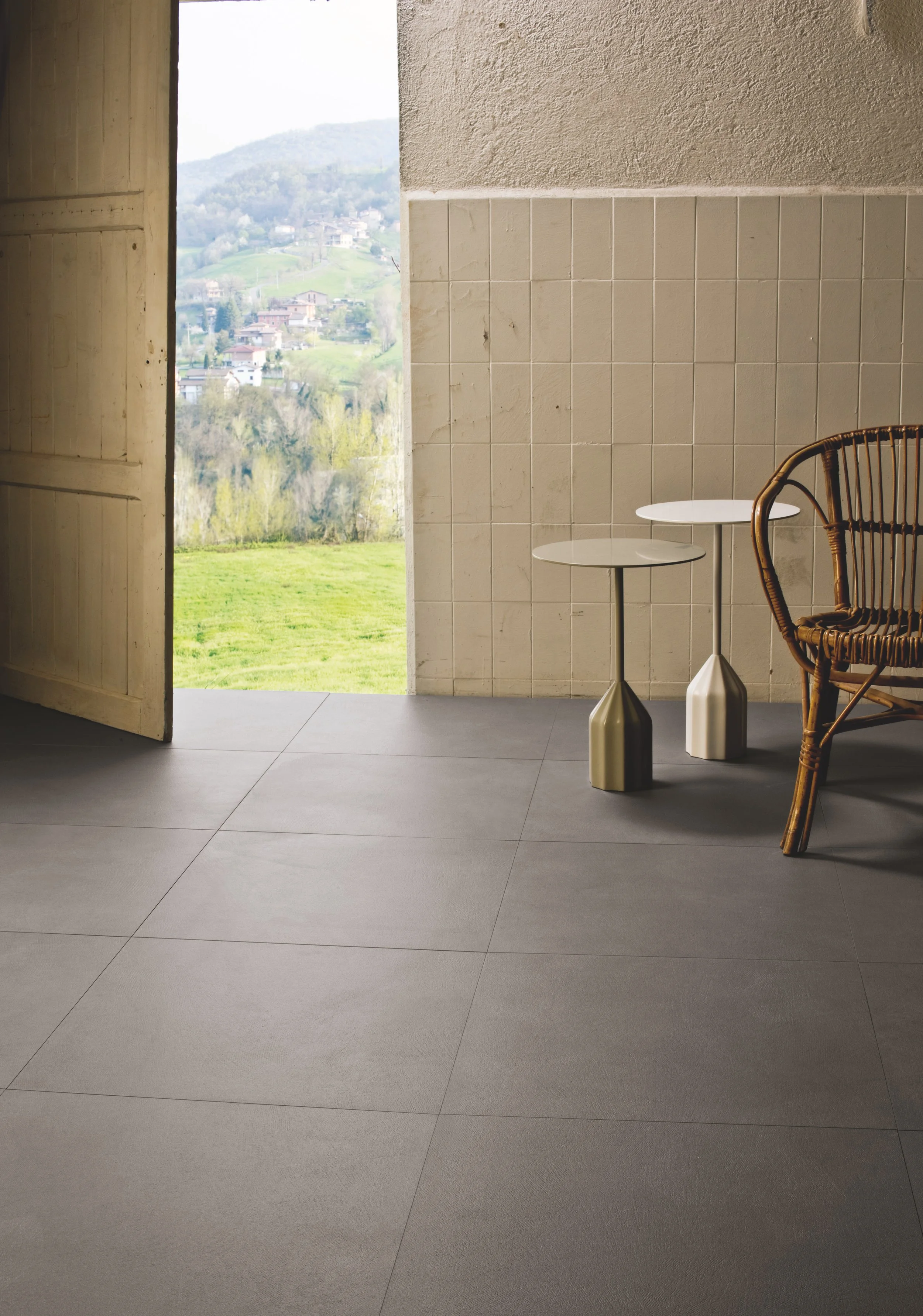
A few weeks ago, Hochwert hosted an intimate evening dedicated to one of the most subtle yet powerful dialogues in architecture and interior design: the interaction between light and surface. Together with Davide Groppi and Mutina, we welcomed a small group of architects and designers to explore how lighting and ceramic tiles influence one another — materially, spatially, and emotionally.
When Light Becomes Material
Light is often treated as an invisible tool — something that reveals architecture without being part of it. Yet the philosophy of Davide Groppi challenges this notion fundamentally. His luminaires are not merely technical solutions; they are precise instruments that shape atmosphere, perception, and meaning. In this evening’s setting, light became material in its own right.
Placed deliberately against Mutina’s ceramic surfaces, the luminaires revealed how light can soften, sharpen, or completely transform a material. Subtle changes in positioning altered the perception of depth. Angled light accentuated textures, while diffuse illumination calmed surfaces and unified space. Shadows were not treated as absence, but as an active design layer — drawing lines, rhythms, and moments of pause.
Ceramic Tesserae and the Fall of Light
Mutina’s collections, known for their architectural rigor and tactile richness, provided the perfect counterpart to this exploration. Ceramic tesserae react uniquely to light: glazed surfaces reflect and fragment it, matte finishes absorb and soften it, and structured tiles create complex shadow play.
During the event, participants could observe how light grazed surfaces, revealing micro-reliefs and irregularities that remain invisible under flat illumination. The fall of light across joints, edges, and textures demonstrated how ceramics are never static — they come alive through illumination. In many ways, the tiles acted as a score, while the light performed the music.
Positioning, Direction, and Atmosphere
A central theme of the evening was positioning. Small adjustments in height, angle, and distance dramatically changed spatial perception. A wall washed evenly felt calm and expansive; the same wall lit from a sharp angle became expressive and almost sculptural. Floors, often overlooked, gained presence when light was allowed to skim across their surfaces, revealing material depth and craftsmanship.
This dialogue highlighted a crucial design insight: lighting should not be added after material decisions are made. Instead, light and surface must be conceived together — each informing the other from the earliest stages of design.
An Evening of Exchange
The event was intentionally limited to around ten architects and designers, allowing for open conversation and shared observation. Rather than a formal presentation, the evening unfolded as a guided dialogue — with moments of explanation, followed by quiet observation and discussion.
Participants shared project experiences, challenges, and questions, reflecting on how often lighting is underestimated or introduced too late in the design process. The setting encouraged curiosity rather than conclusion — an approach that aligns deeply with Hochwert’s philosophy.
Community at the Center
As the evening transitioned from exploration to conversation, we gathered around a simple meal of soup. This moment was not incidental. At Hochwert, we believe that design culture grows through human connection — through shared time, informal exchange, and genuine hospitality.
The warmth of the space, the intimacy of the group, and the shared meal reinforced the idea that architecture and design are not solitary pursuits. They are collaborative, social practices that thrive within a strong community.