
Historic Spaces, Modern Techniques: The Metropol Zürich Project
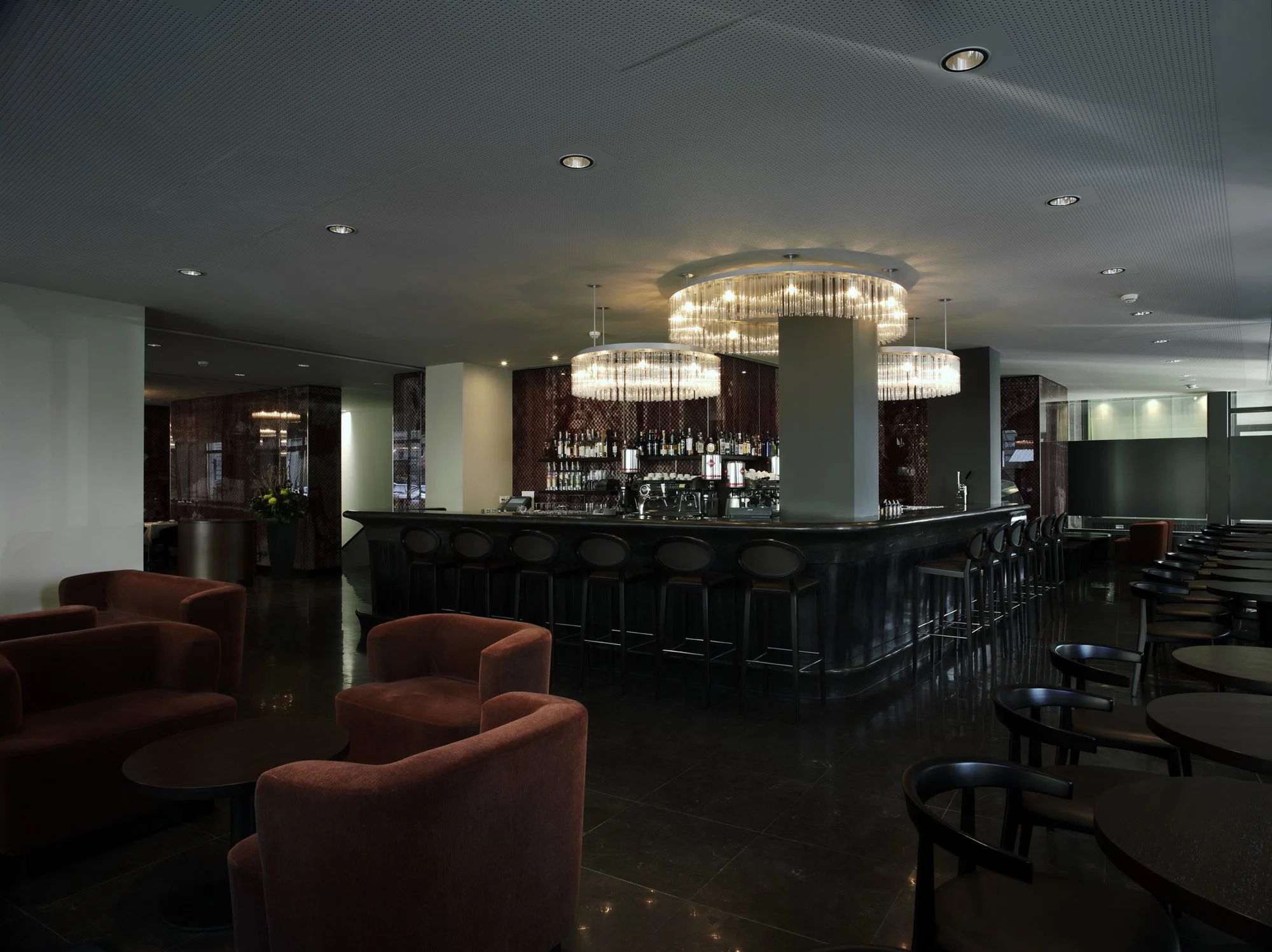
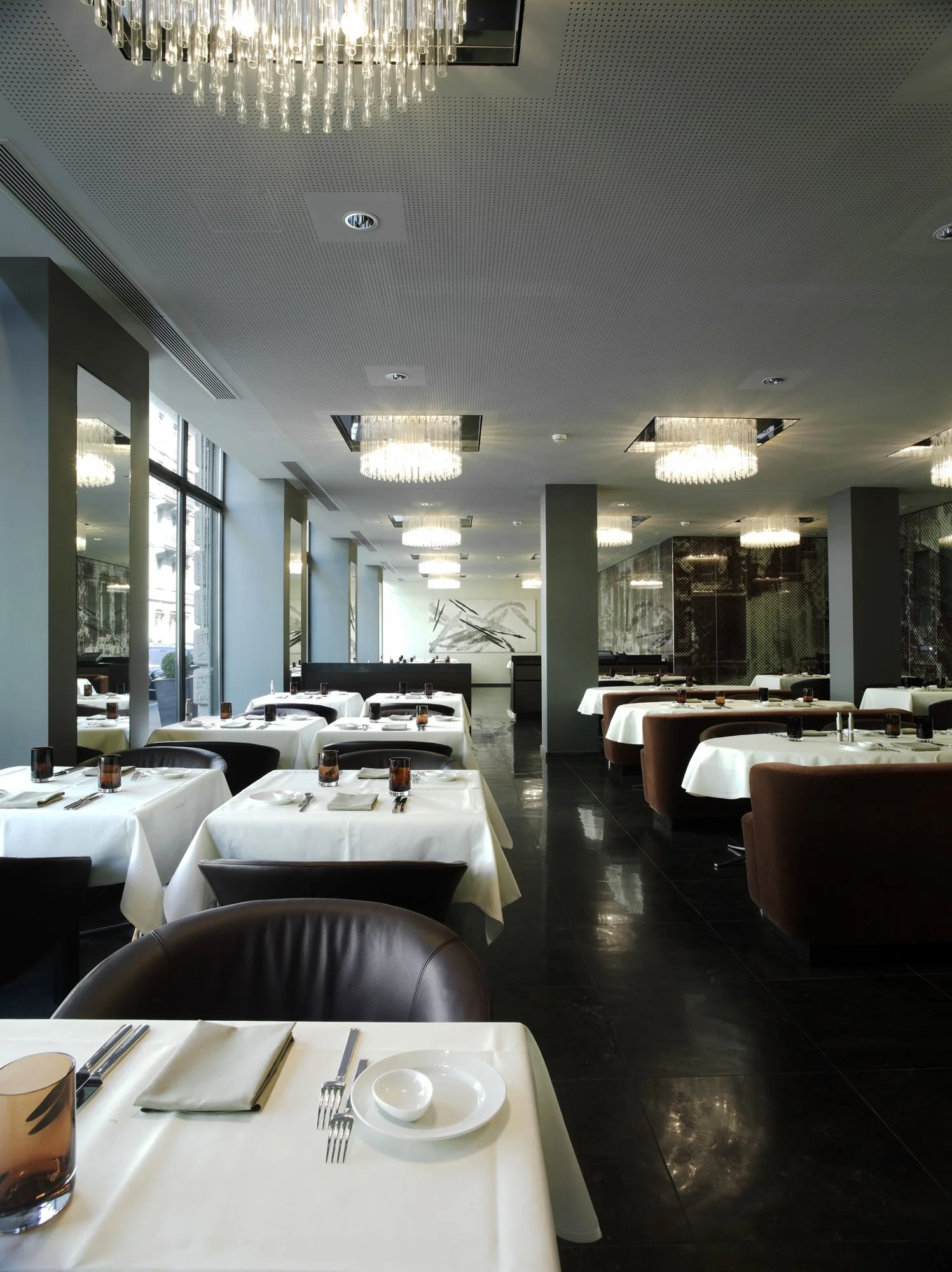
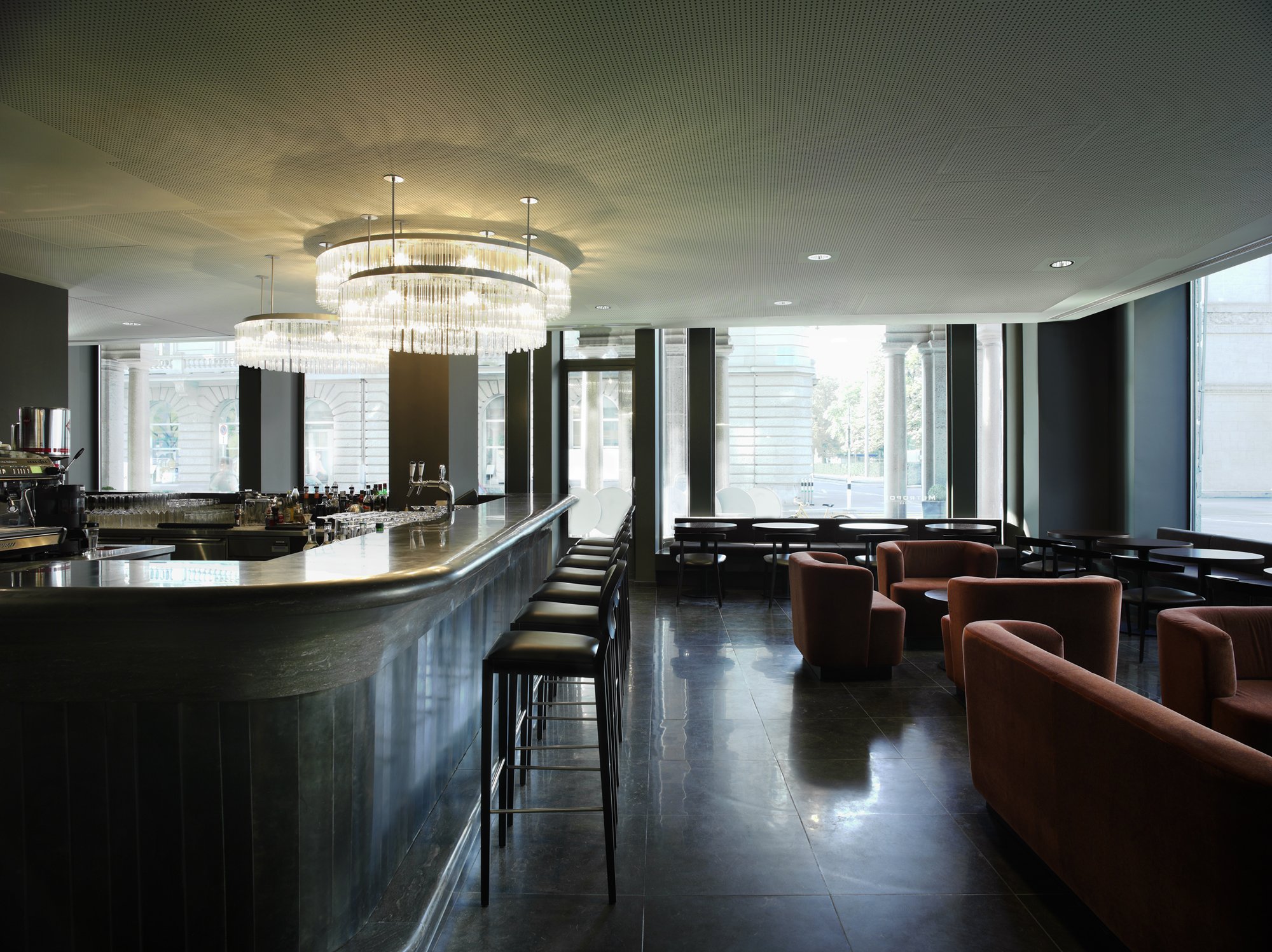
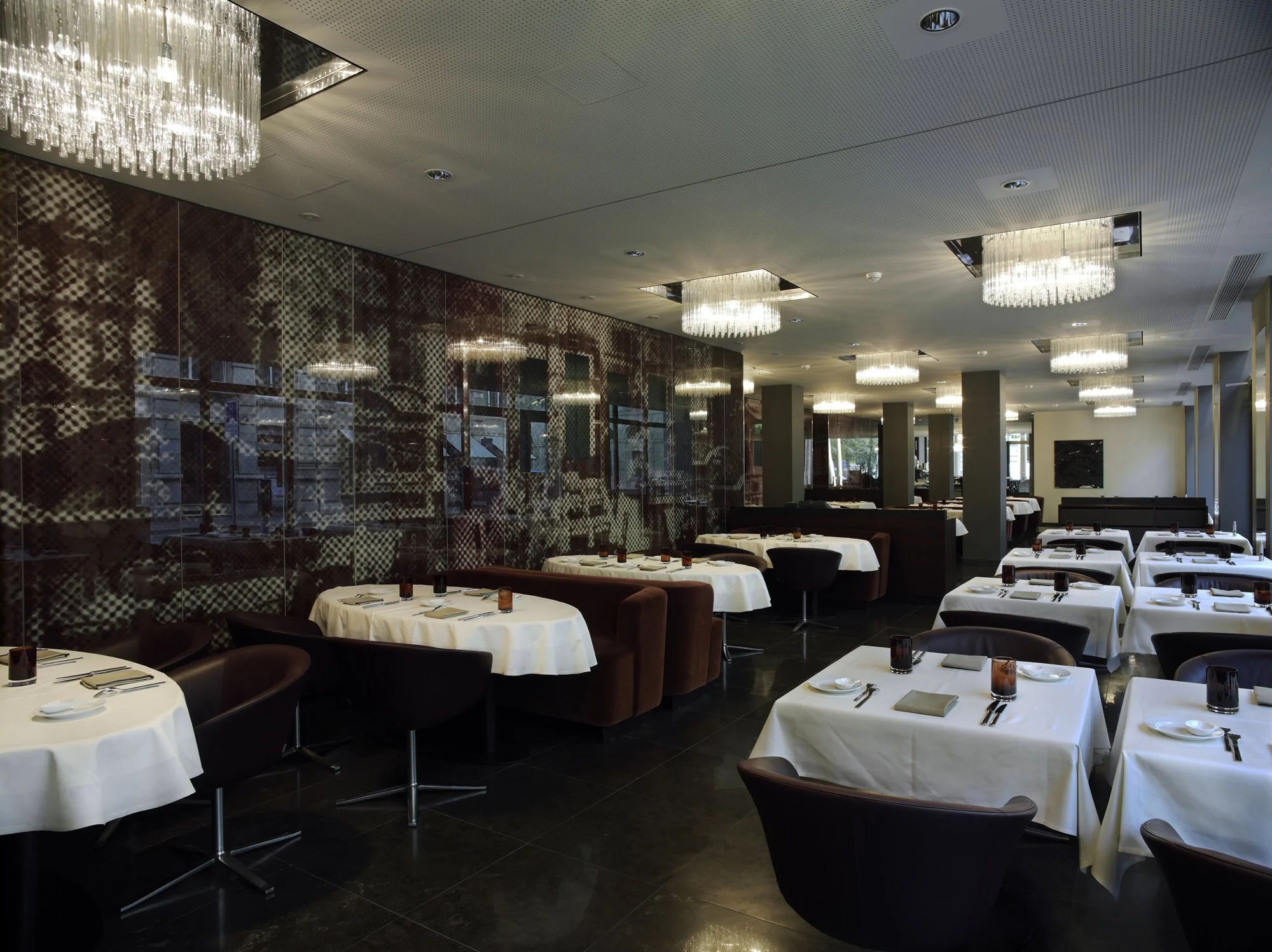
The Metropol building in Zurich, first completed in 1914, is a neo-baroque landmark that today houses a sophisticated mix of hospitality spaces, including a Japanese restaurant, champagne bar, café, and banquet rooms—all set within a beautifully preserved historic setting.
The Challenge of Installing a Massive Marble Bartop
When we worked on the transformation of the Metropol restaurant and bar, one of the most complex elements we worked with on was the massive marble bartop, weighing in at approximately 2.5 tonnes (2500 kilograms). Moving and installing such a heavy, delicate piece in a heritage building demanded precision, planning, and specialized equipment.
To solve this, we coordinated the installation of a custom crane mounted on the ceiling, enabling us to lift and position the bartop securely without risking damage to the material or the building’s structure. This approach was dangerous, but the only way that we could successfully complete our task. It demonstrates how engineering creativity is essential when working within strict constraints.
Material Choices and Design Considerations
Throughout the interior, we used Pietra D’Avola stone, including polished floor tiles that complement the bartop’s natural warmth and veining. This choice helped unify the various hospitality spaces, providing both durability for heavy foot traffic and an elegant aesthetic suited to the building’s character.
The bartop itself is a substantial 35 cm thick, designed to withstand the demands of daily use while anchoring the space visually. Its presence respects the grandeur of the neo-baroque surroundings without overwhelming the finer architectural details.
Integrating Stone with Interior Design
A project like Metropol requires close collaboration between our stone installation team and interior designers to balance technical execution with design vision. Together, we made decisions on finishes, joint placement, and positioning to highlight the stone’s natural beauty while ensuring cohesion with the existing architecture.
Despite its size and weight, the bartop now integrates seamlessly into the space, maintaining harmony with the building’s original style. This subtle integration is crucial when updating historic interiors, where new elements must honor the past while serving modern functions.
Technical and Practical Insights
Installing heavy natural stone in a heritage building presents unique challenges that call for thoughtful problem-solving and precision. The Metropol bartop installation exemplified how tailored solutions—like the ceiling-mounted crane—can make complex placements safe and efficient.
Our experience with projects like this highlights the importance of blending traditional craftsmanship with innovative techniques to meet both aesthetic and structural requirements in demanding environments.
Balancing Heritage and Functionality
The Metropol project is a clear example of how natural stone can enhance both the functionality and atmosphere of historic interiors. By carefully selecting materials and employing meticulous installation strategies, we helped preserve the building’s heritage while adapting it for contemporary hospitality needs.
Ultimately, the use of durable, visually appealing stone paired with thoughtful design allowed the creation of spaces that support modern uses without compromising historical integrity—an approach we strive to maintain across all our projects.